

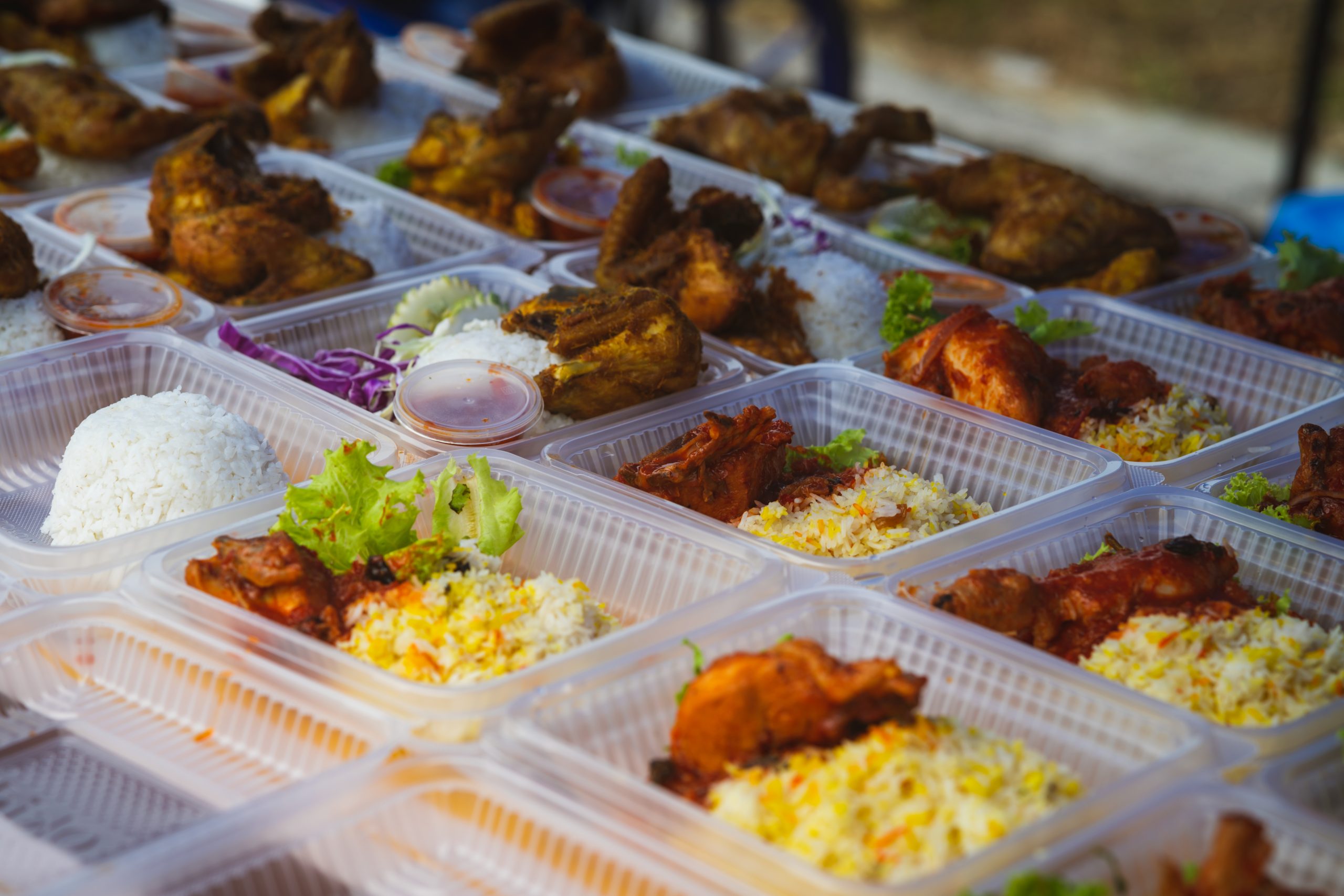

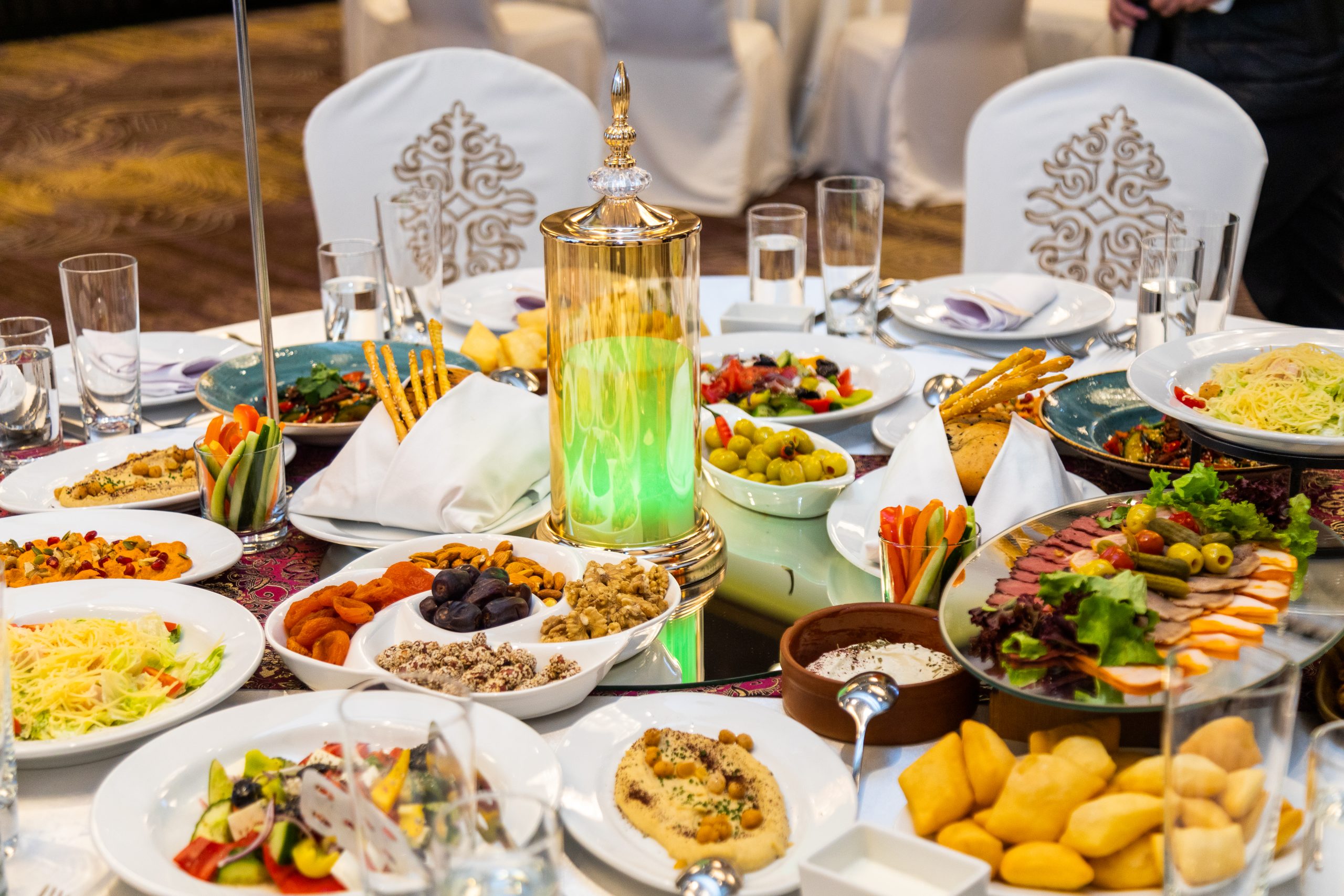
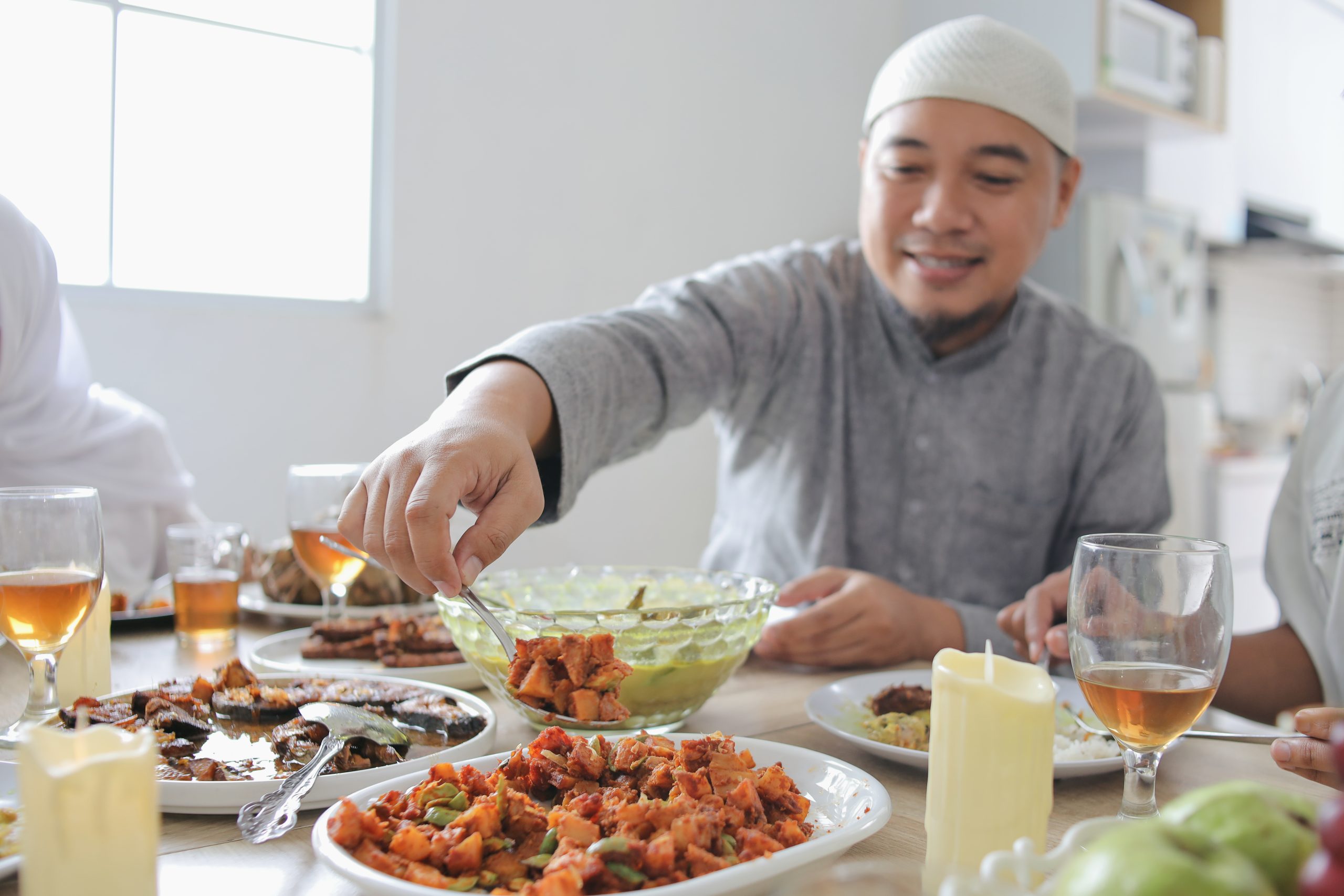

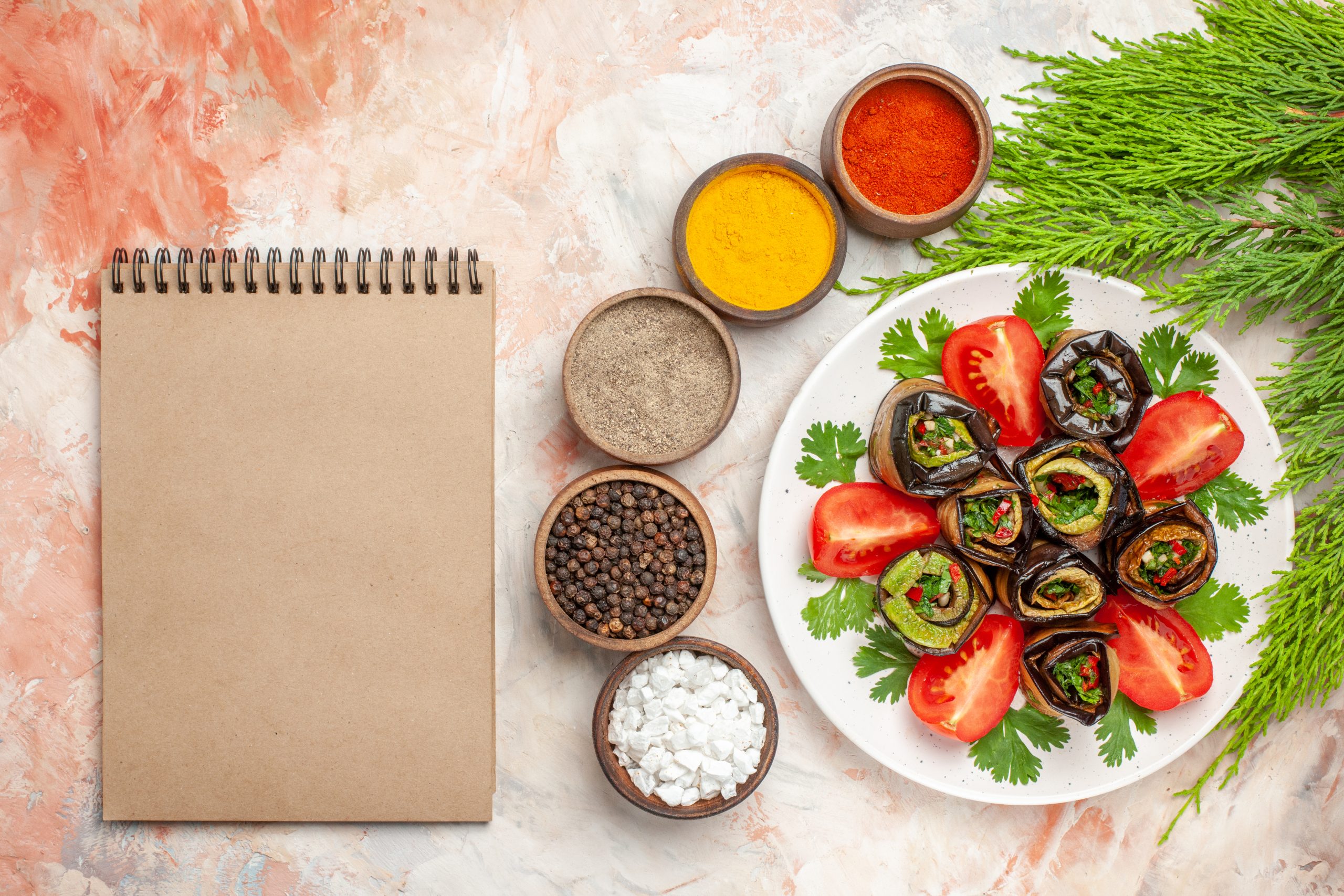
Creating a menu that respects both cultural traditions and dietary requirements is essential for successful catering. Custom Zabiha menus allow hosts to honor faith compliance while accommodating guest preferences, allergies, and dietary restrictions, making every event inclusive and enjoyable.
Respecting Cultural Preferences
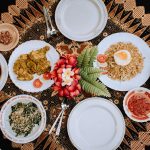
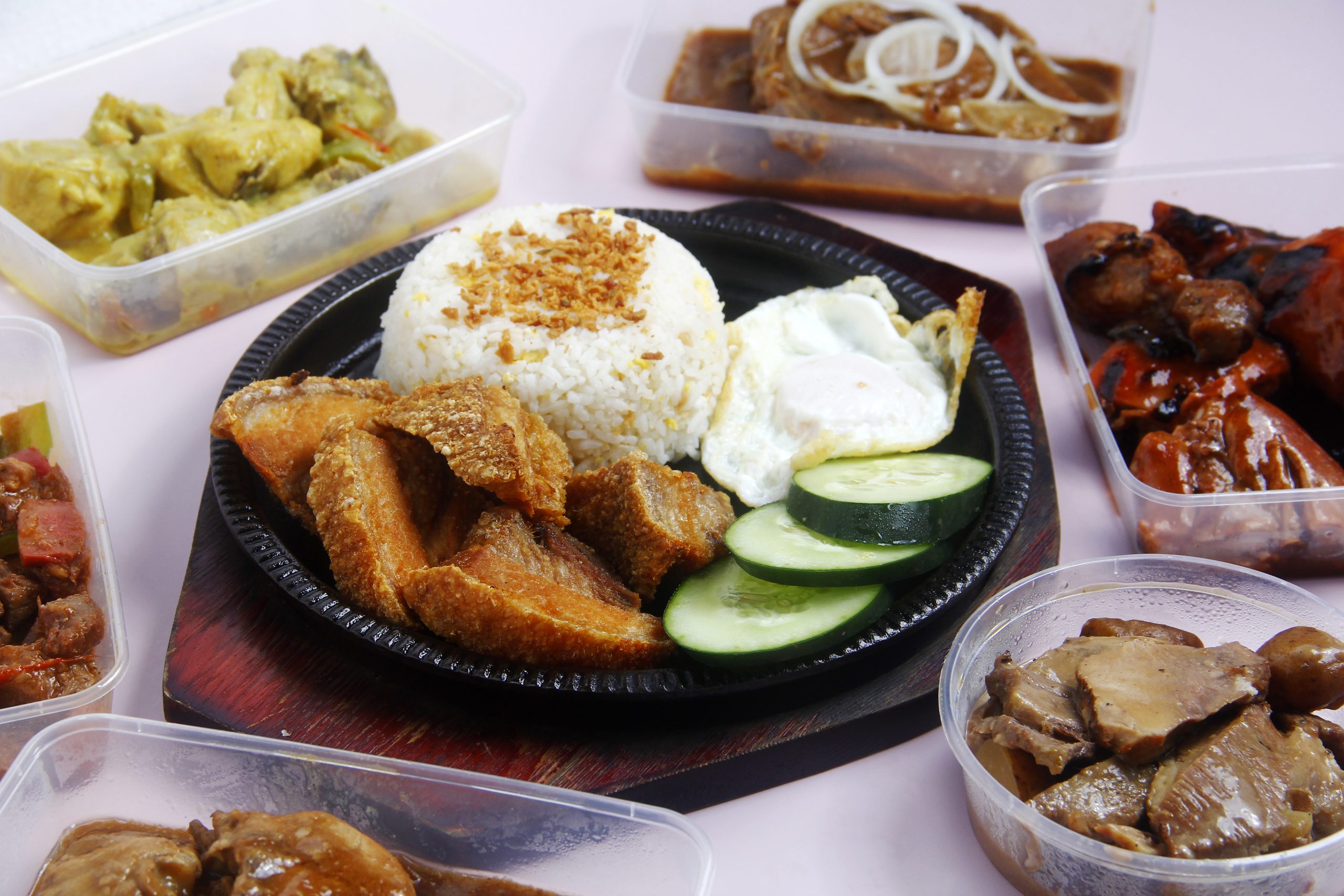
Cultural considerations play a big role in meal planning. Custom Zabiha menus can include traditional dishes from South Asian, Middle Eastern, African, or other cuisines based on your guests’ heritage. This ensures the menu resonates with attendees, making the dining experience more meaningful and familiar.
Accommodating Dietary Restrictions
Even within Zabiha-compliant meals, guests may have dietary restrictions:
-
Vegetarian and Vegan Options: Include dishes like lentil curry, vegetable biryani, and stuffed vegetables.
-
Gluten-Free Alternatives: Substitute naan with rice-based or gluten-free breads.
-
Low-Salt or Low-Oil Choices: Cater to health-conscious guests or elders.
By thoughtfully including these options, the menu remains inclusive without compromising Zabiha standards.
Fusion and Modern Options
Custom menus can combine traditional Zabiha dishes with contemporary or fusion flavors. Examples include biryani sliders, shawarma tacos, or Zabiha meat sushi rolls. This approach adds creativity, appeals to younger guests, and introduces variety while staying faith-compliant.
Presentation and Service Style
Serving style can also be customized to suit the event:
-
Family-Style Serving: Encourages sharing and connection at home or community gatherings.
-
Plated Meals: Adds elegance at weddings or corporate dinners.
-
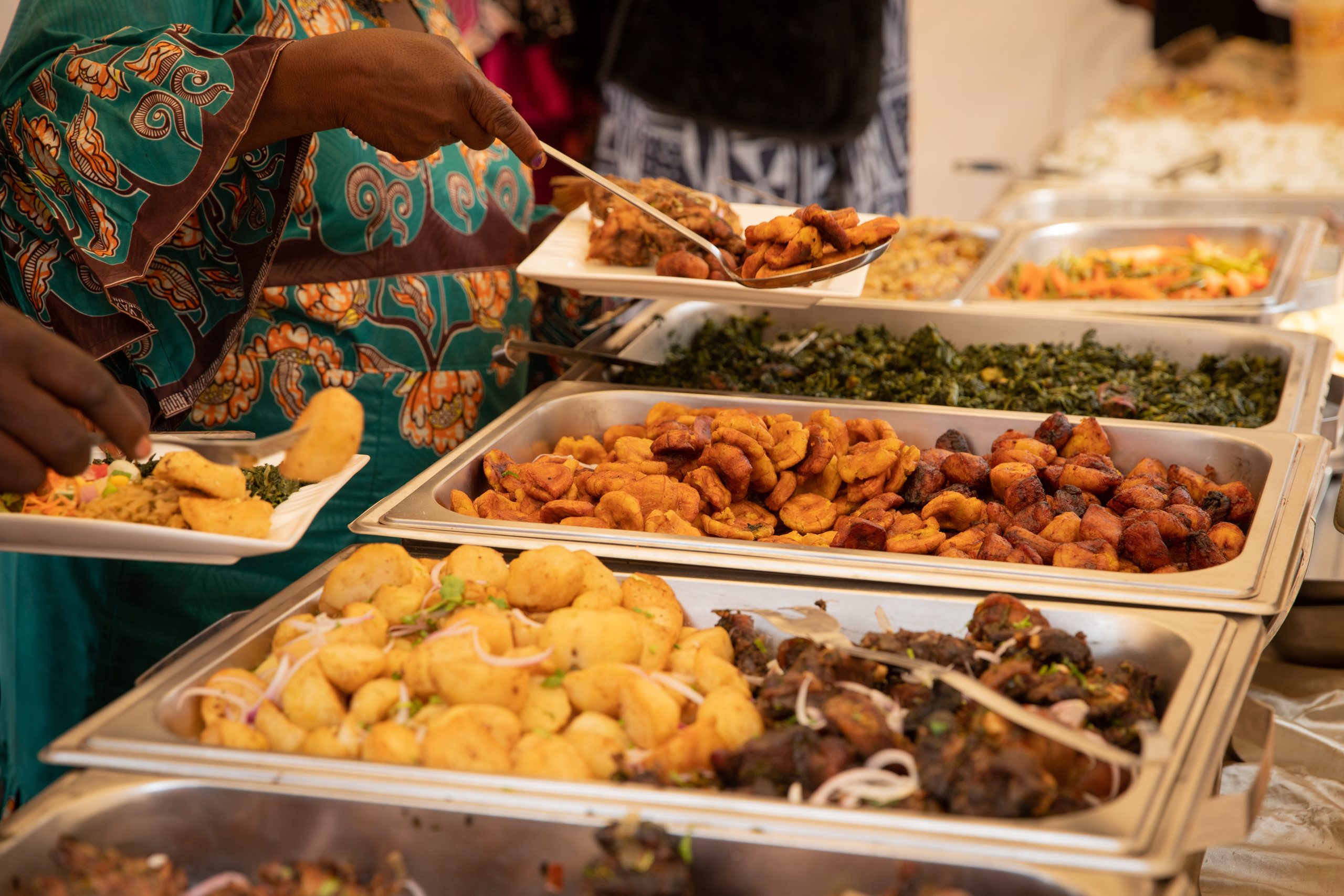
Live Stations: Creates interactive experiences for large events.
Personalized presentation enhances the guest experience and complements the customized menu.
Collaborating with a Caterer
Work closely with your Zabiha caterer to design a menu that meets cultural and dietary needs. Provide details on guest profiles, allergies, and preferences. Experienced caterers can suggest dishes, serving methods, and portion sizes that maximize satisfaction while maintaining quality.
Conclusion
Custom Zabiha menus for cultural and dietary needs combine faith compliance, inclusivity, and creativity. By respecting cultural traditions, accommodating dietary restrictions, and personalizing presentation, hosts can ensure every guest feels valued. Thoughtfully curated Zabiha menus elevate events, leaving a lasting impression on all attendees.