


Despite the growing demand for halal and Zabiha catering, there is still widespread confusion about what these terms truly mean. Misunderstandings can lead to incorrect assumptions, especially when planning events or choosing a caterer. Clearing up these misconceptions helps clients make better decisions and ensures transparency in food services.
Misconception 1: Zabiha and Halal Are Exactly the Same
One of the most common misconceptions is that Zabiha and halal mean the same thing. While they are related, they are not identical. Halal is a broader term that refers to anything permissible under Islamic law, including vegetarian food and seafood. Zabiha, however, refers specifically to the Islamic method of slaughtering meat.
Many people assume that if food is labeled halal, the meat must automatically be Zabiha. In reality, some halal-certified meat does not meet strict Zabiha requirements. This distinction is important for those who follow a more cautious approach to dietary compliance.
Misconception 2: All Halal Caterers Serve Zabiha Meat
Not all halal caterers offer Zabiha meat. Some caterers focus on halal ingredients but source meat that is not slaughtered according to Zabiha standards. Others rely on suppliers who use mechanical or mass-processing methods that some Muslims do not accept as Zabiha.
Clients often discover this difference only after asking detailed questions. This is why it is important not to assume and to verify how meat is sourced and prepared.
Misconception 3: Zabiha Food Is Limited in Variety
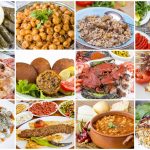
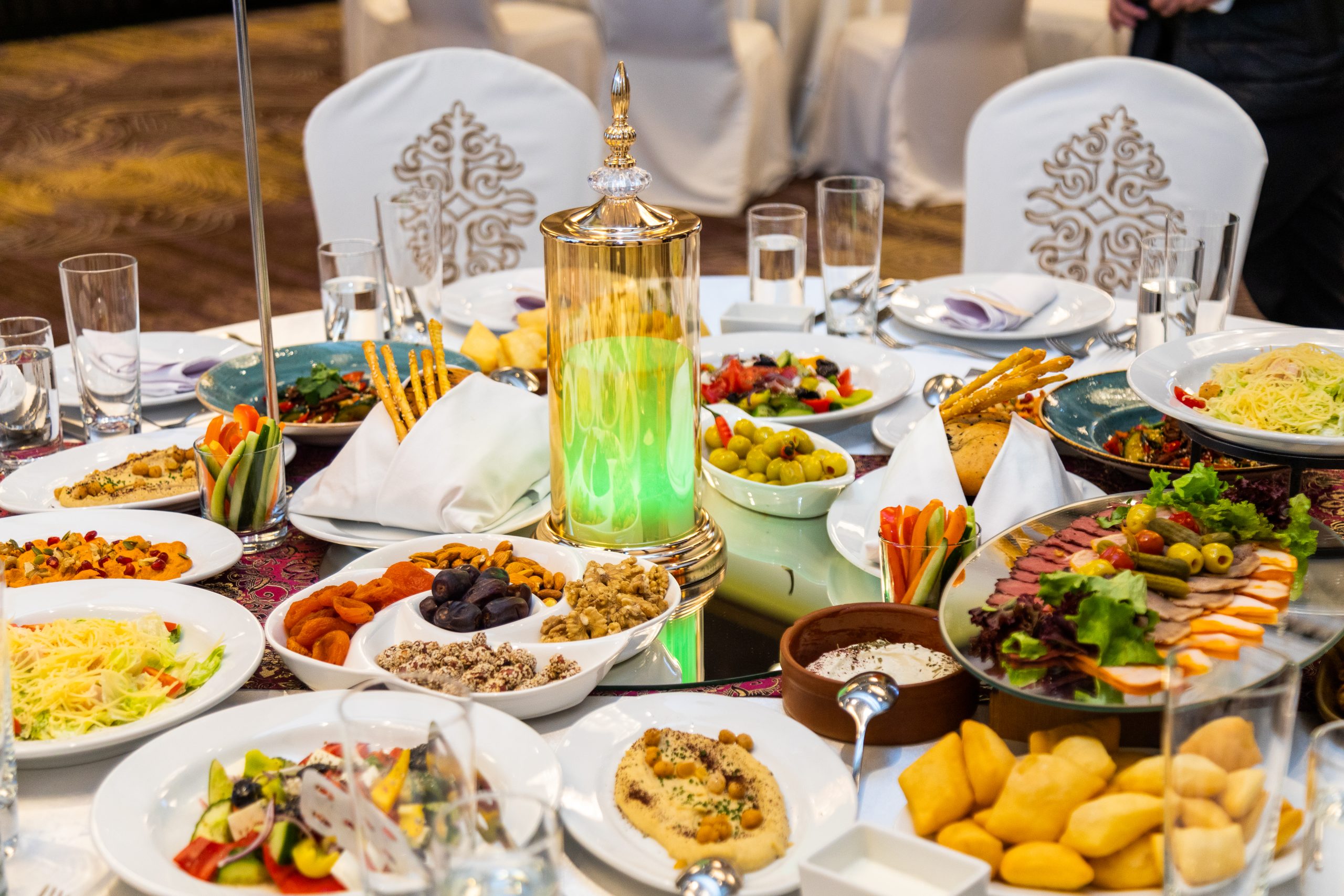
Another common belief is that Zabiha food is limited to traditional or cultural dishes. In reality, Zabiha catering has evolved significantly. Today’s Zabiha menus include international cuisines, fusion dishes, and modern presentations that appeal to a wide range of guests.
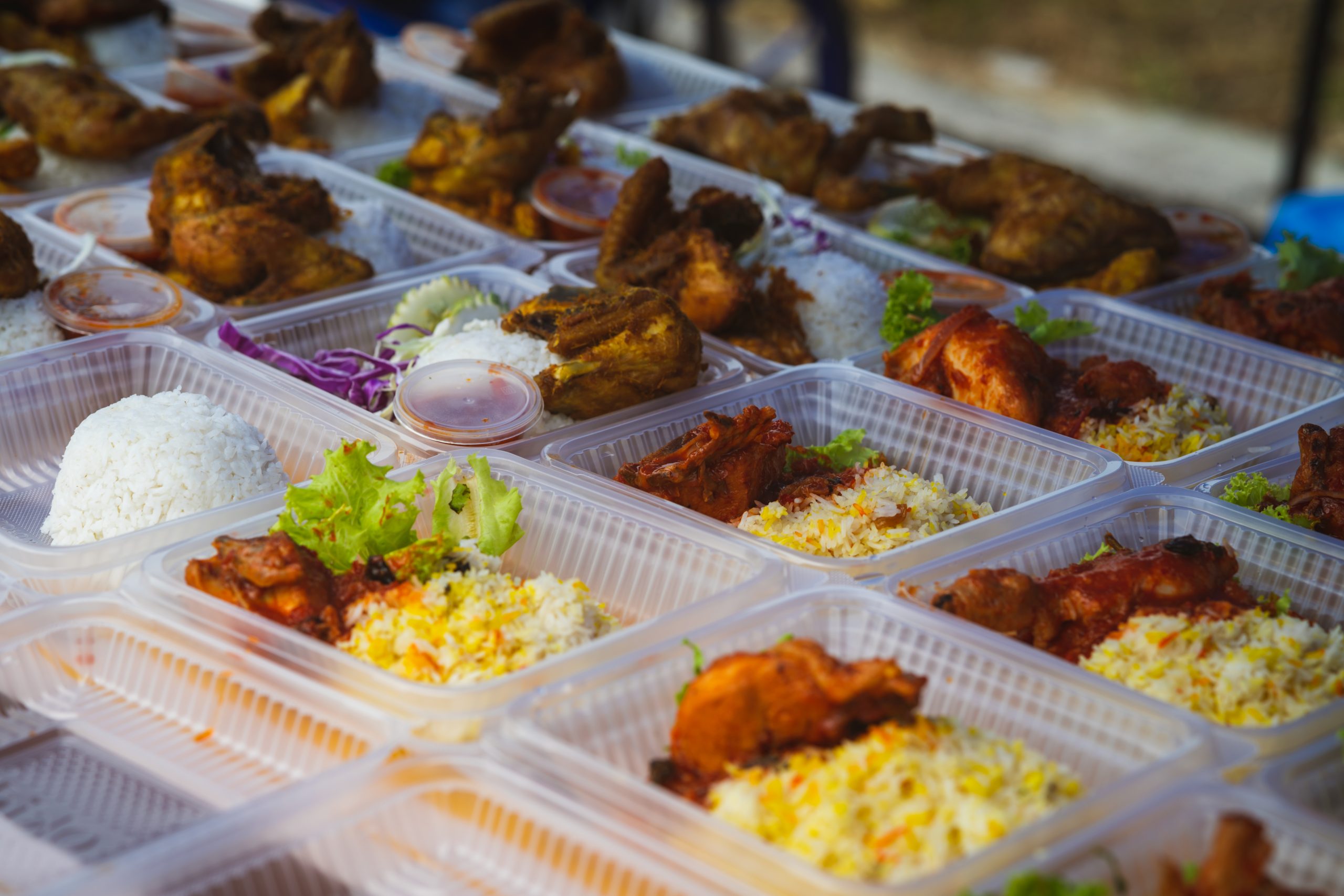
From gourmet plated meals to live cooking stations, Zabiha catering can match the creativity and quality of any mainstream catering service.
Misconception 4: Non-Muslims Cannot Eat Zabiha Food
Some people mistakenly believe that Zabiha food is only meant for Muslims. In fact, Zabiha food is suitable for anyone. The process emphasizes cleanliness, ethical treatment, and quality—values appreciated across cultures.
At mixed-audience events, non-Muslim guests often enjoy Zabiha food without even realizing it follows specific religious guidelines. Its appeal lies in taste, presentation, and quality, not restriction.
Misconception 5: Zabiha Is Only About Slaughter
While slaughter is a key part of Zabiha, it is not the only factor. True Zabiha catering involves proper handling, storage, preparation, and serving. Cross-contamination with non-Zabiha items must be avoided, and kitchen staff should be trained in compliance standards.
Ignoring these steps can compromise the integrity of Zabiha food, even if the meat itself was slaughtered correctly.
Misconception 6: Zabiha Standards Are Outdated
Some assume that Zabiha standards are old-fashioned and incompatible with modern catering. In reality, Zabiha principles align well with contemporary concerns about ethical sourcing, food safety, and transparency.
Many modern caterers successfully combine Zabiha compliance with advanced kitchen practices, elegant presentations, and innovative menus.
Conclusion
Misconceptions about Zabiha and halal food often stem from lack of information. Understanding the real differences helps clients avoid mistakes and choose catering services that align with their values. Whether planning a wedding, corporate event, or community gathering, clear knowledge ensures confidence, trust, and a positive dining experience for all guests.