


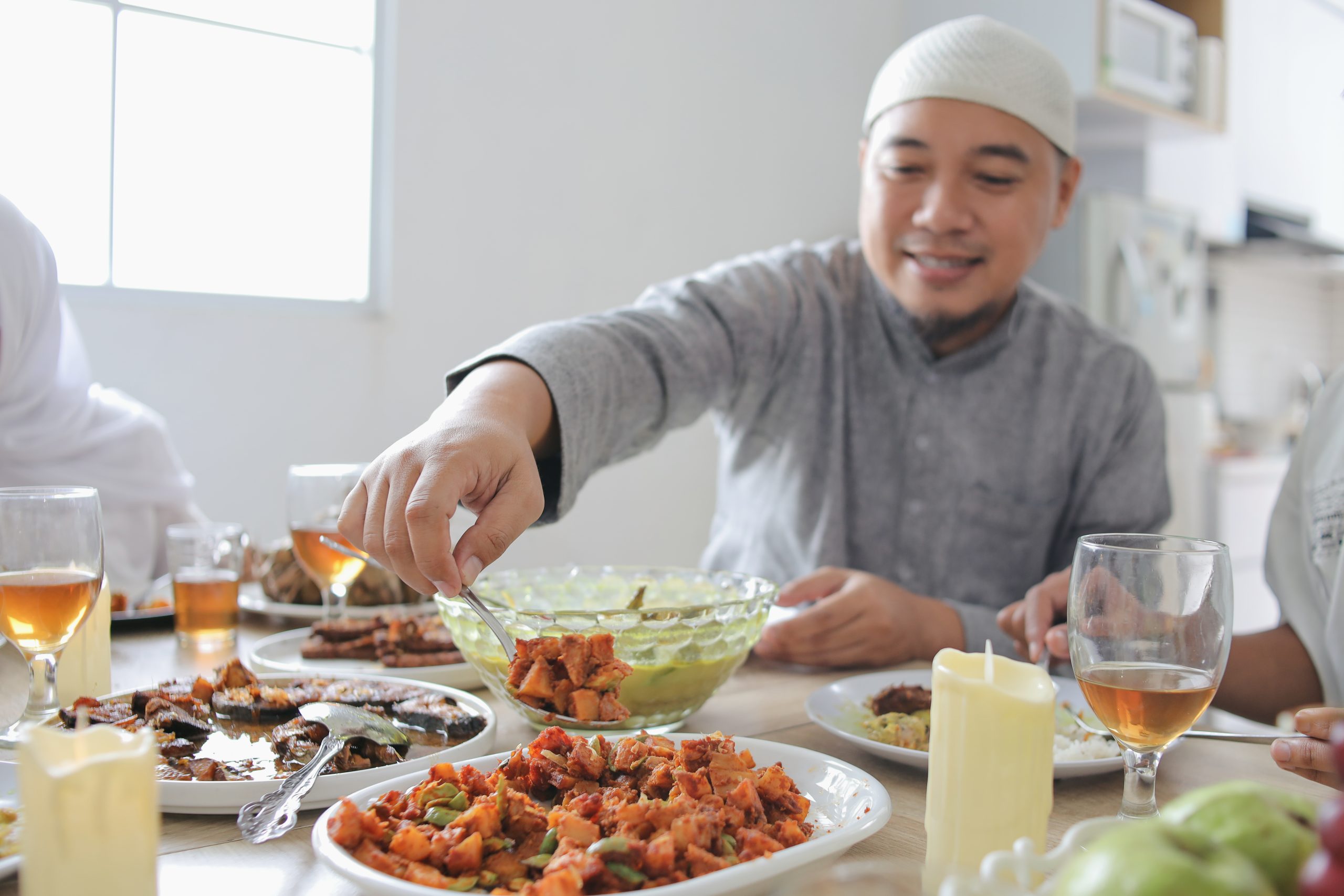


Trust is the foundation of any successful food service business. For Muslim clients, trust is closely tied to faith-based dietary requirements. Zabiha standards play a critical role in building and maintaining this trust, especially in catering services where clients rely entirely on the caterer’s honesty and compliance.
Food and Faith Are Deeply Connected
In Islam, food is not just nourishment—it is part of daily religious practice. Muslims are required to consume food that is permissible, clean, and ethically sourced. Zabiha ensures that meat meets these religious obligations, allowing clients and guests to eat with peace of mind.
When caterers understand and respect this connection, they demonstrate cultural sensitivity and religious awareness.
Transparency Creates Confidence
One of the strongest ways Zabiha builds trust is through transparency. Reliable Zabiha caterers openly share information about their meat suppliers, slaughter methods, and kitchen practices. This openness reassures clients that nothing is hidden or unclear.
Transparency removes doubt and encourages long-term relationships between caterers and Muslim communities.
Consistency in Standards
Trust grows when standards are applied consistently. Muslim clients often rely on the same caterer repeatedly for weddings, family events, and community functions. Consistent adherence to Zabiha practices builds credibility and reinforces confidence over time.
A single mistake or misrepresentation, however, can quickly damage trust. This is why professional Zabiha caterers treat compliance as a continuous responsibility.
Respecting Guest Expectations
At Muslim-focused events, guests assume that food will meet Zabiha requirements. Caterers who uphold these standards protect the host’s reputation and ensure that guests feel respected and comfortable.
Meeting expectations is not just about food—it reflects care, professionalism, and understanding of community values.
Word-of-Mouth and Community Reputation
Muslim communities often rely on recommendations when choosing service providers. A caterer known for authentic Zabiha practices earns positive word-of-mouth and community support.
Trust built through Zabiha compliance leads to repeat business, referrals, and a strong local reputation.
Trust Beyond the Muslim Community
Zabiha standards also appeal to non-Muslim clients who value ethical sourcing and food safety. When Muslim clients trust a caterer, it signals reliability and integrity to a wider audience as well.
This broader trust strengthens the caterer’s overall brand.
Conclusion
Zabiha builds trust by aligning food services with faith, ethics, and transparency. For Muslim clients, choosing a Zabiha caterer is about more than taste—it is about confidence and peace of mind. Caterers who honor Zabiha standards consistently earn loyalty, respect, and long-term success.