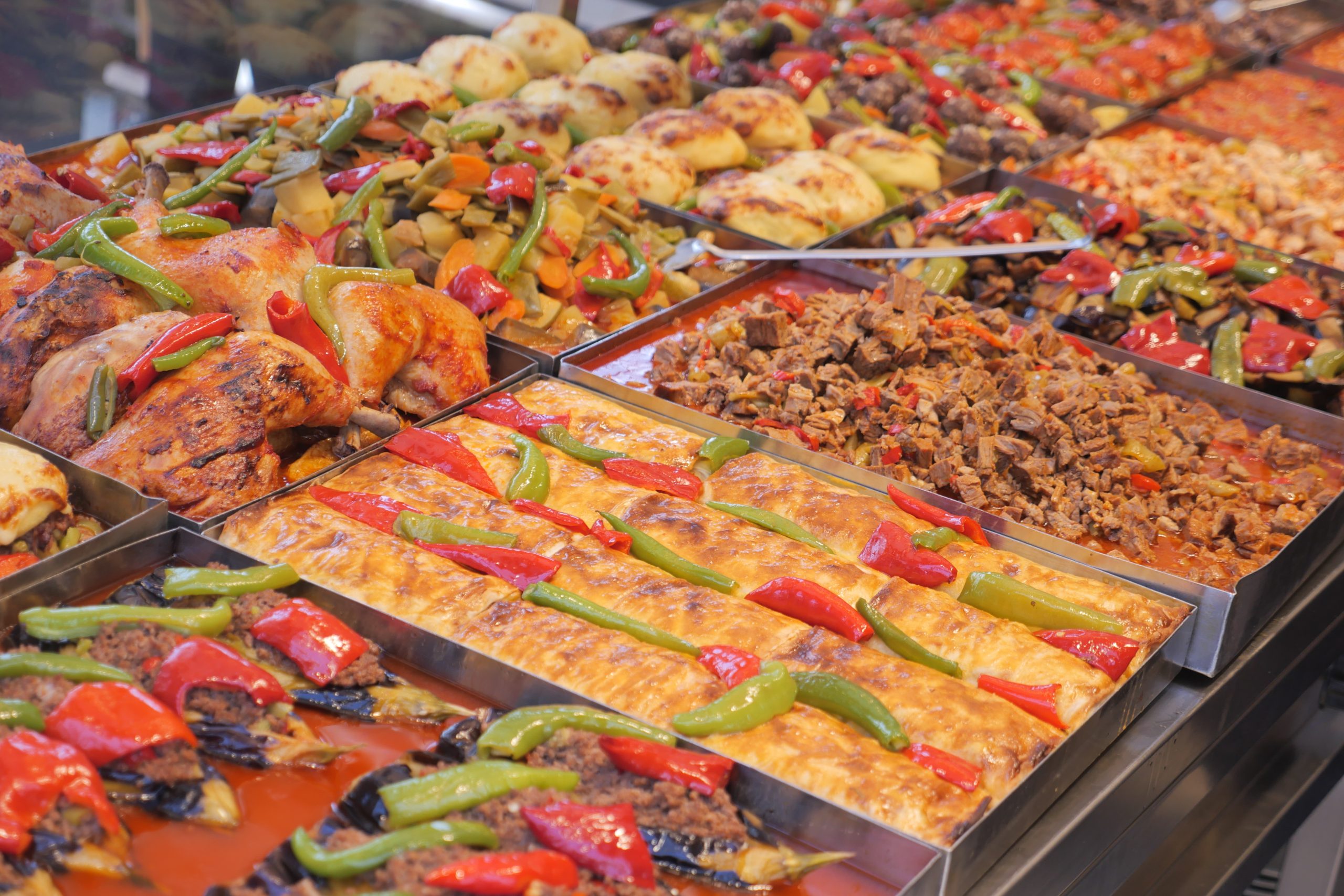


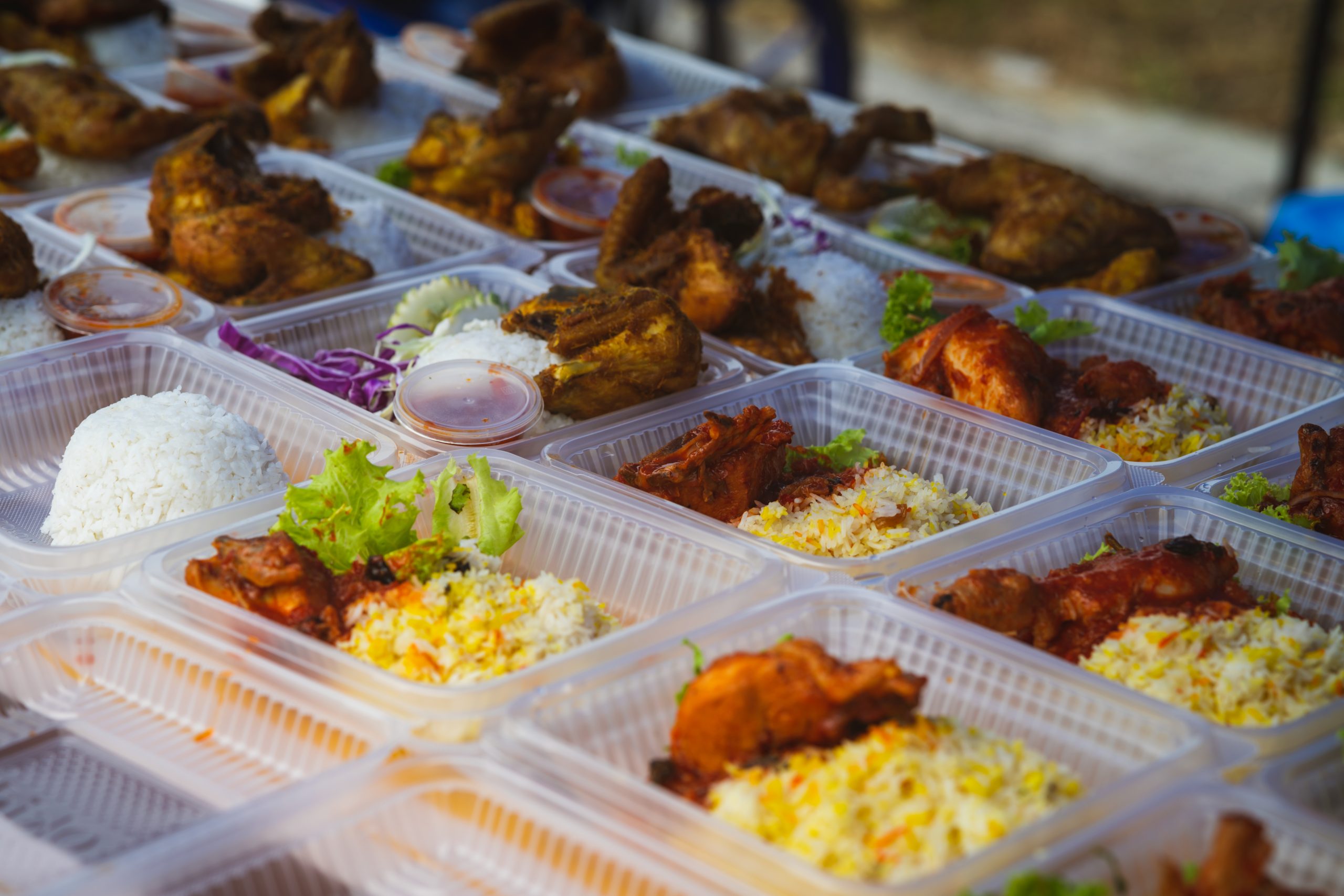

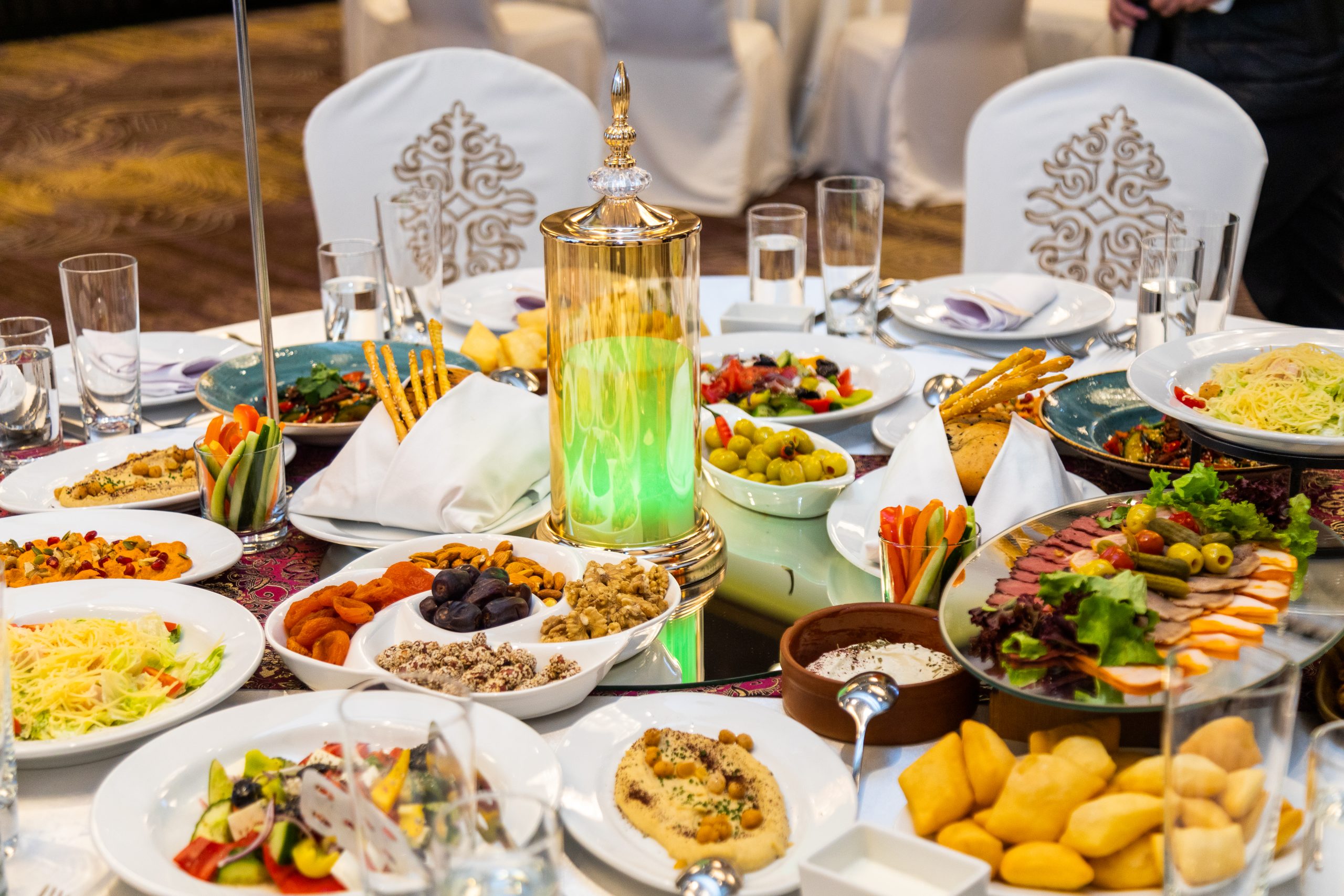


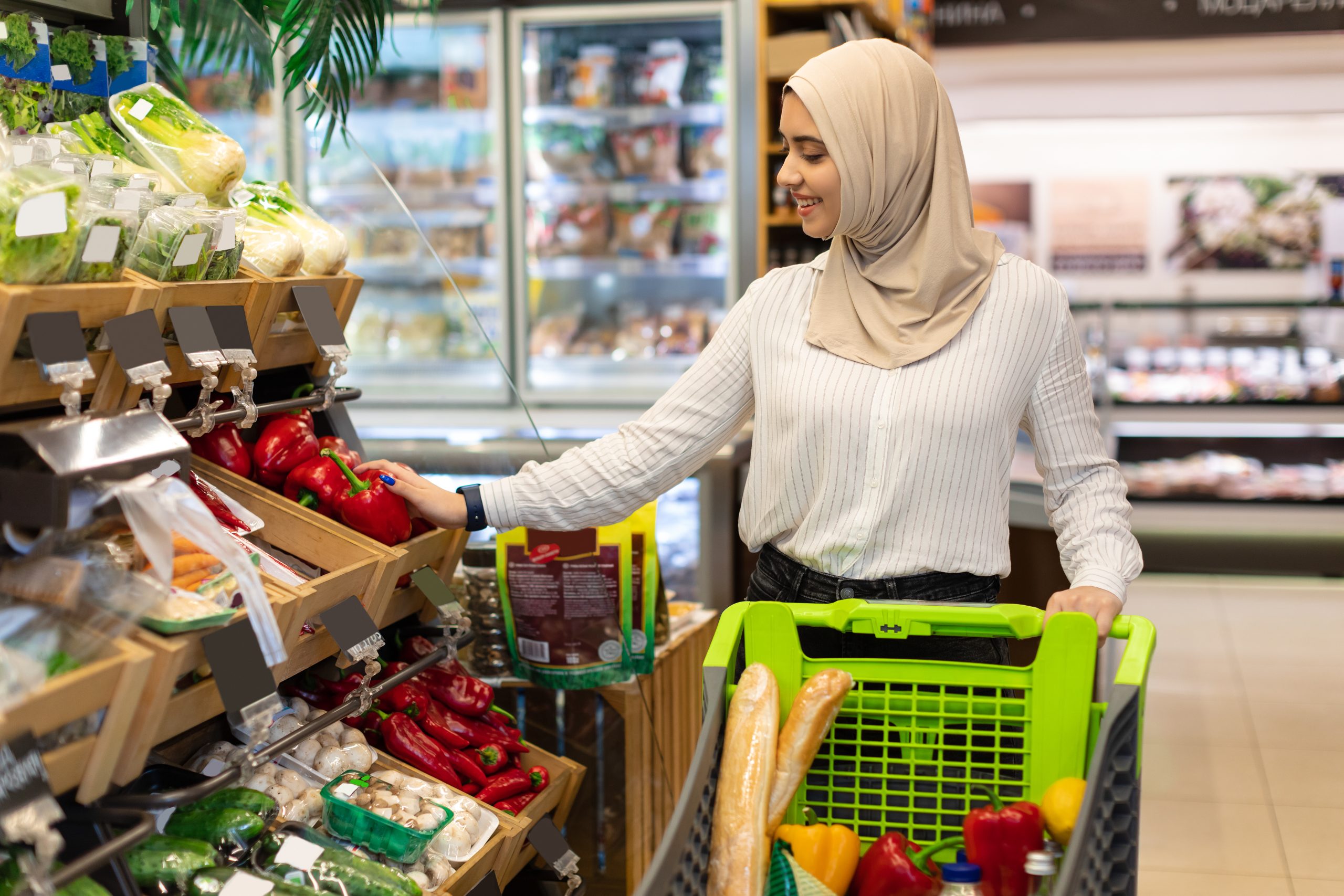
Ethics play an increasingly important role in how people choose food today. Consumers want to know where their food comes from, how it is prepared, and whether it aligns with their values. Zabiha, as an Islamic food standard, plays a significant role in promoting ethical practices within food services, especially in professional catering.
Zabiha and Ethical Responsibility
At its core, Zabiha is built on responsibility and accountability. The Islamic approach to food emphasizes that humans are caretakers of life and must act with intention and respect. This philosophy extends directly into food services, where Zabiha standards guide how animals are treated and how food is prepared.
By following Zabiha guidelines, caterers demonstrate a commitment to ethical responsibility rather than convenience or cost-cutting.
Humane Treatment of Animals
One of the most significant ethical aspects of Zabiha is animal welfare. The slaughter process requires a swift, humane method designed to minimize pain and distress. The animal must be treated with care before slaughter and must not witness the slaughter of other animals.
These requirements align closely with modern ethical food movements that advocate for humane treatment and responsible sourcing.
Transparency in Food Sourcing
Ethical food services depend on transparency. Zabiha catering requires caterers to know and verify their meat sources. This means working with trusted suppliers, ensuring proper certification, and maintaining documentation.
Transparency builds trust—not only with Muslim clients but with all consumers who care about ethical sourcing and honest business practices.
Cleanliness and Respect in Preparation
Ethical food service is not limited to sourcing alone. Zabiha standards emphasize cleanliness, respect, and care throughout the preparation process. Avoiding cross-contamination, maintaining hygienic kitchens, and training staff are essential parts of ethical Zabiha catering.
These practices protect consumers and elevate the quality of service.
Zabiha and Modern Ethical Trends
As sustainability and ethical consumption gain attention, Zabiha fits naturally into these conversations. Its principles support mindful consumption, reduced waste, and respect for resources.
Many catering businesses now highlight Zabiha compliance as part of their ethical brand identity, appealing to a broader audience beyond religious consumers.
Building Community Trust
Ethical food services strengthen community relationships. When caterers consistently follow Zabiha standards, they earn trust within Muslim communities and beyond. This trust leads to repeat business, referrals, and long-term success.
Ethics, when practiced consistently, become a powerful business asset.
Conclusion
Zabiha plays a vital role in ethical food services by promoting humane treatment, transparency, and respect. For catering businesses, following Zabiha standards is not just about religious compliance—it is about offering food services rooted in integrity and responsibility. As consumers continue to value ethics in dining, Zabiha catering remains a strong and relevant choice.