

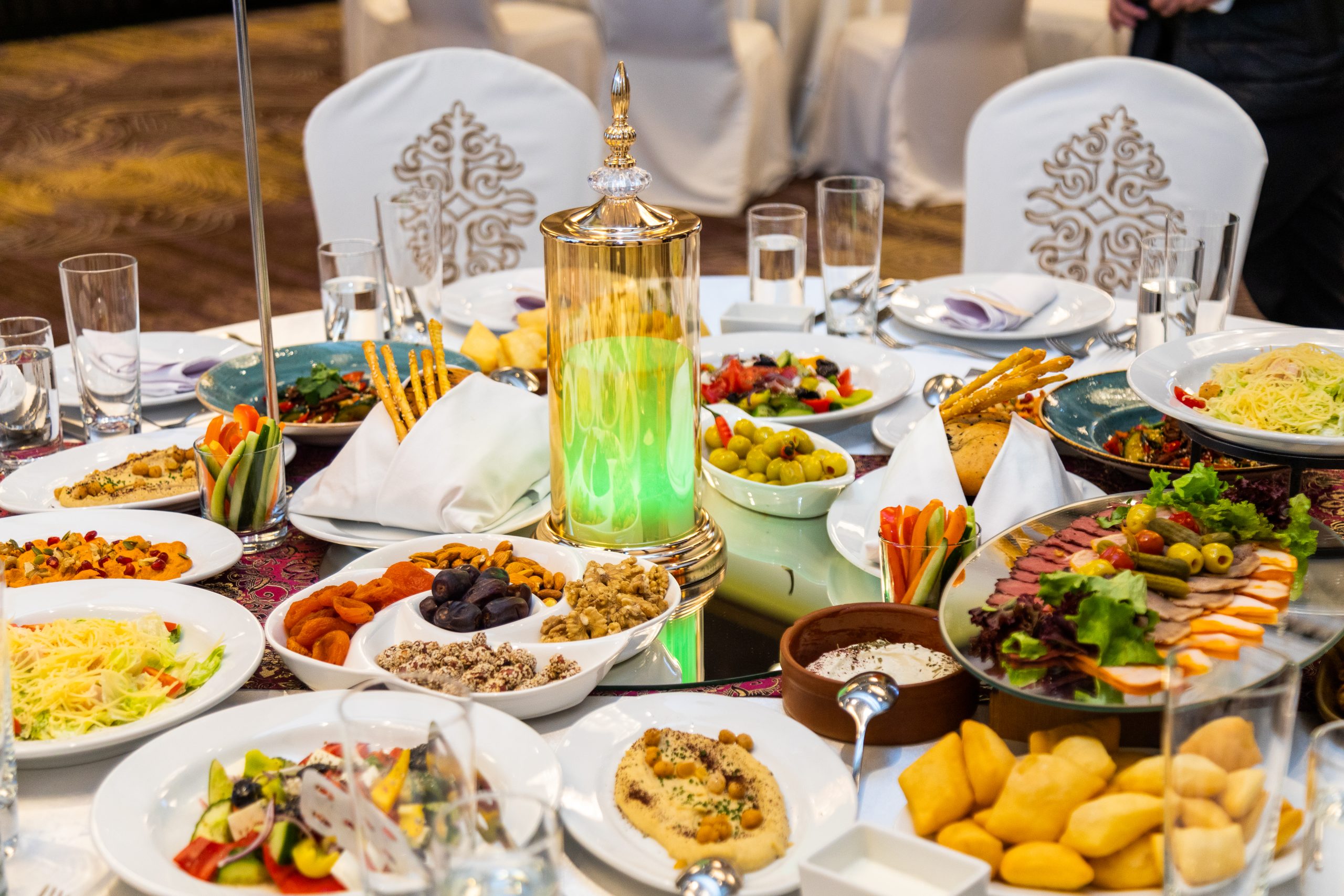
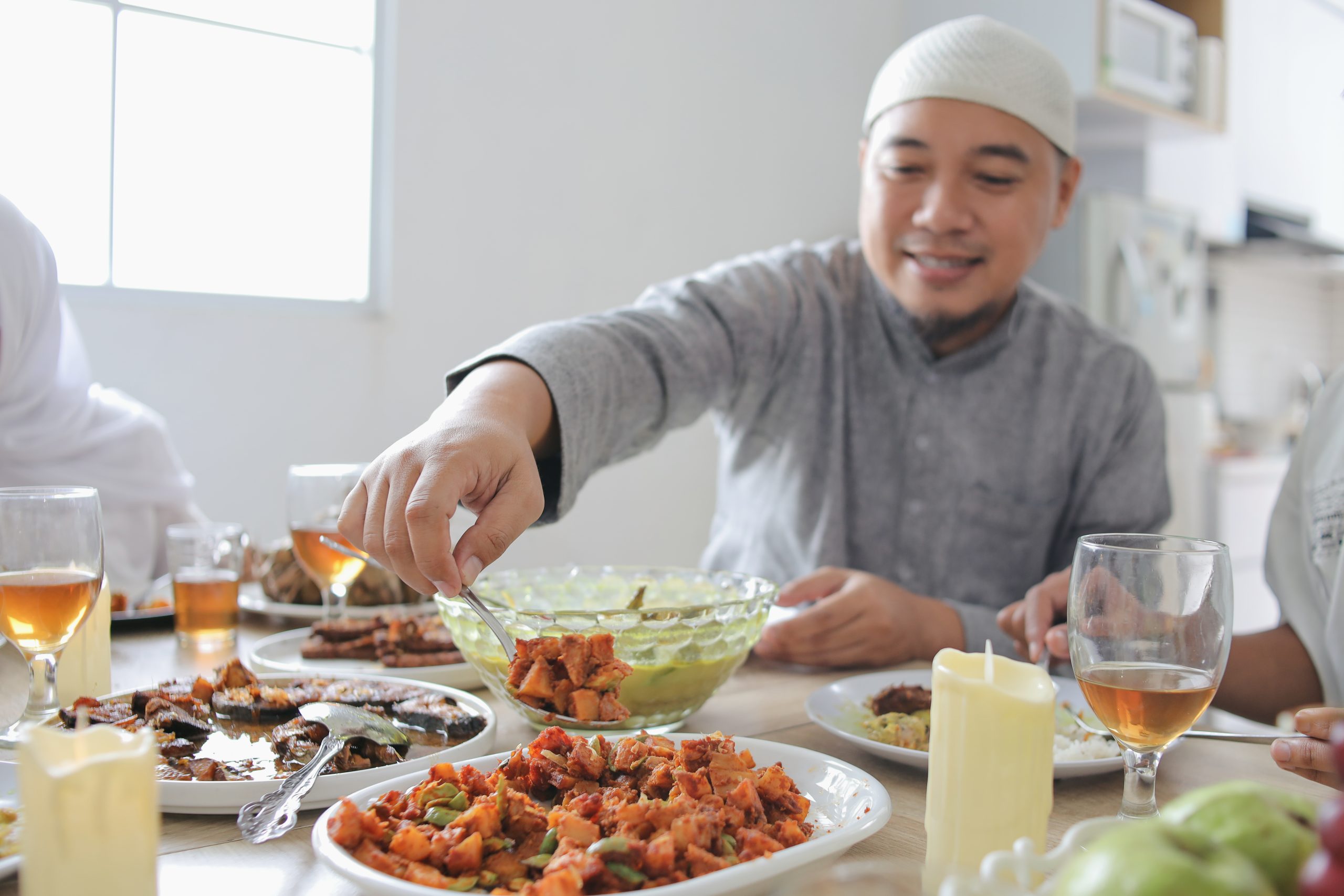

For anyone new to Islamic dietary laws, the term Zabiha can seem confusing. While many people are familiar with the word halal, fewer truly understand what Zabiha means and why it holds such importance in Muslim food consumption. This beginner’s guide explains Zabiha in simple terms and helps you understand its role in catering, events, and everyday meals.
What Does Zabiha Mean?
Zabiha is an Arabic term that refers specifically to the Islamic method of slaughtering animals for consumption. It is not just about the type of meat being served, but about how that meat is prepared. For meat to be considered Zabiha, the animal must be slaughtered according to Islamic guidelines, which include invoking the name of Allah at the time of slaughter and using a swift, humane method.
The purpose of Zabiha is to ensure that food is permissible (halal), clean, and ethically sourced. This process reflects Islamic teachings that emphasize mercy, responsibility, and respect for life.
Key Conditions of Zabiha Slaughter
There are several essential conditions that must be met for meat to qualify as Zabiha. First, the animal must be healthy and alive at the time of slaughter. Second, a Muslim (or a person of the People of the Book, according to some interpretations) must perform the slaughter while reciting the name of Allah. Third, the throat, windpipe, and blood vessels must be cut in one swift motion to minimize suffering and allow the blood to drain completely.
These conditions are not symbolic; they are practical steps designed to ensure both ethical treatment and food purity. In professional catering, maintaining these standards requires verified suppliers and strict oversight.
Zabiha vs Regular Meat
One common question beginners ask is how Zabiha meat differs from regular, commercially produced meat. In conventional meat processing, animals may be stunned or slaughtered without religious considerations. Zabiha meat, however, follows a faith-based process that prioritizes intentionality, cleanliness, and humane treatment.
Because of complete blood drainage, many people believe Zabiha meat has a cleaner taste and longer shelf life when handled properly. While perceptions may vary, the emphasis on hygiene and ethical handling is widely recognized.
Why Zabiha Is Important to Muslims
For Muslims, consuming Zabiha is an act of religious obedience. Food is closely connected to faith, and eating permissible food is considered part of living a mindful, ethical life. Serving or consuming non-Zabiha meat can cause discomfort and concern, especially in communal settings.
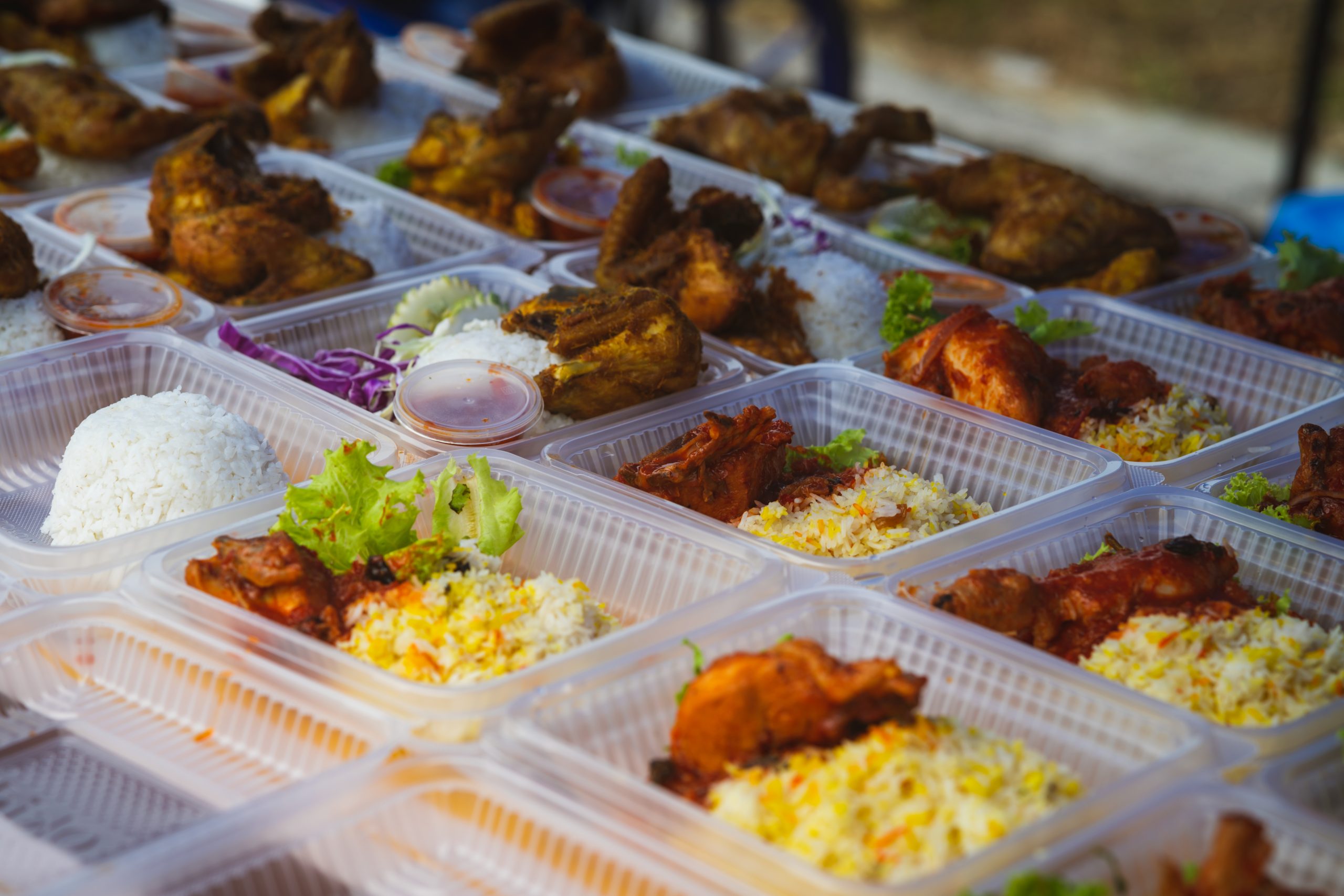
This is why Zabiha catering is especially important at weddings, religious events, community gatherings, and family functions. It allows all guests to eat with confidence, without questioning whether the food aligns with their beliefs.
Zabiha in Catering and Events
In catering, Zabiha is not limited to the slaughter process alone. It extends to how food is stored, prepared, and served. Cross-contamination with non-Zabiha items must be avoided, and kitchen staff should be trained in proper handling procedures.
Professional Zabiha caterers understand these responsibilities and take extra care to maintain compliance throughout the food service process. This attention to detail is what separates authentic Zabiha catering from general halal claims.
Common Misunderstandings About Zabiha
A common misconception is that all halal food is automatically Zabiha. In reality, halal food may include vegetarian items or meat that meets basic halal criteria but not strict Zabiha standards. Another misunderstanding is that Zabiha limits menu creativity. Today, Zabiha catering includes global cuisines, fusion dishes, and modern presentations.
Education helps remove these misconceptions and allows both Muslim and non-Muslim clients to appreciate the value of Zabiha standards.
Final Thoughts
Understanding Zabiha is the first step toward making informed food choices. For beginners, it may seem detailed at first, but its core principles are simple: faith, ethics, cleanliness, and respect. Whether you are planning an event or choosing a caterer, knowing what Zabiha means ensures transparency and trust.
As Zabiha catering continues to grow in demand, this understanding helps create inclusive, respectful, and high-quality dining experiences for everyone involved.