


The terms Zabiha and Halal are often used interchangeably in the catering industry, but they do not always mean the same thing. For event planners, businesses, and families hosting important gatherings, understanding the real difference between Zabiha and Halal catering is essential. Making the wrong assumption can lead to confusion, mistrust, and discomfort for guests who follow strict dietary guidelines.
Understanding the Meaning of Halal
Halal is an Arabic word that means “permissible.” In food terms, halal refers to anything that is allowed under Islamic law. This includes not only meat but also ingredients, preparation methods, and overall food handling. Vegetarian dishes, seafood, and many packaged foods can be halal as long as they do not contain prohibited substances such as alcohol or pork derivatives.
In catering, halal food generally means meals that avoid forbidden ingredients. However, halal does not always guarantee that the meat used follows the full Islamic slaughter process known as Zabiha.
What Makes Zabiha Different?
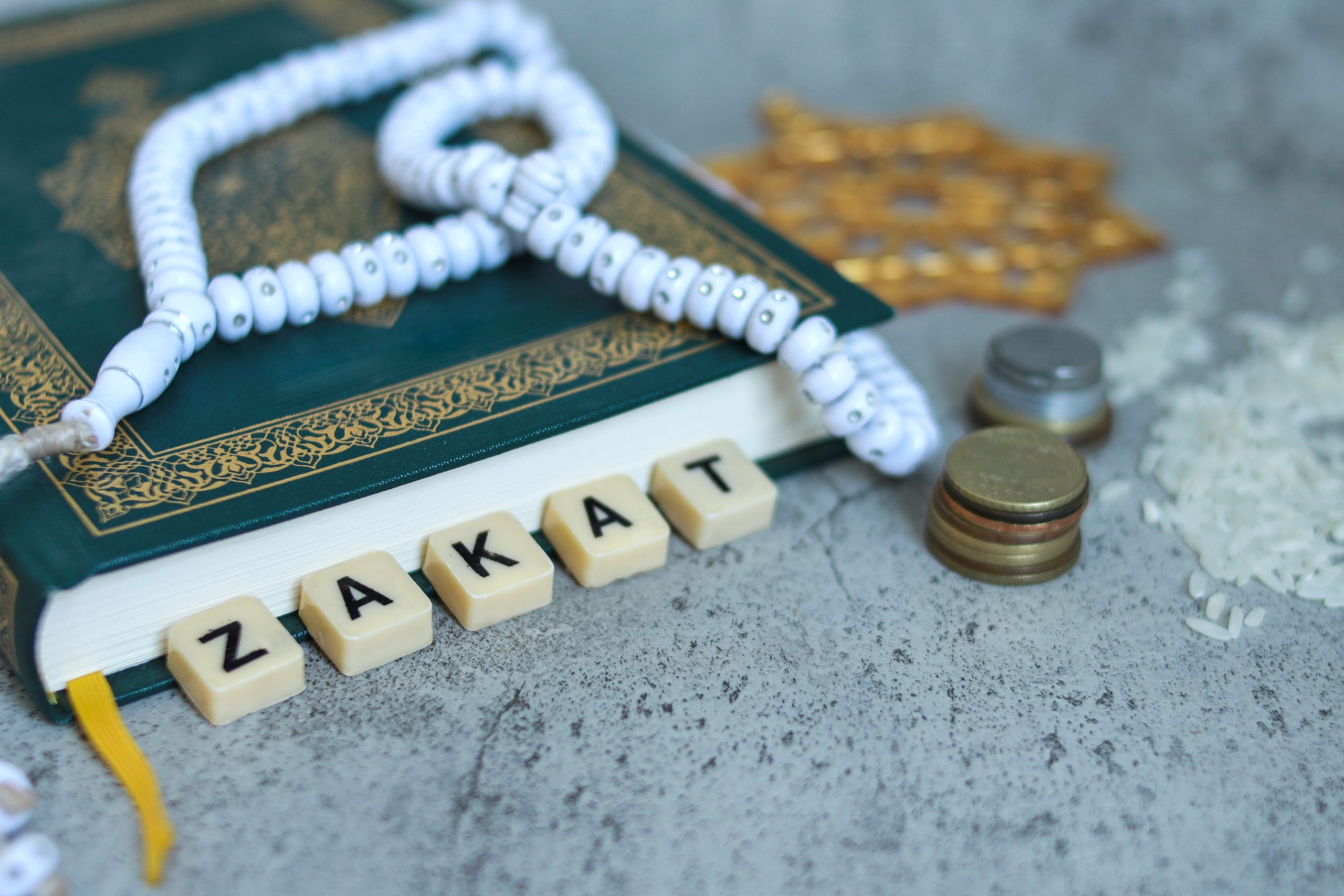
Zabiha specifically refers to the Islamic method of slaughtering animals. For meat to be considered Zabiha, it must meet strict conditions: the animal must be healthy, the name of Allah must be recited at the time of slaughter, and the blood must be fully drained using a swift, humane cut.
This process is central to Islamic dietary law. While halal is a broader category, Zabiha is a specific requirement within halal meat consumption. For many Muslims, especially those who follow stricter interpretations, eating Zabiha meat is non-negotiable.
Why the Difference Matters in Catering
In everyday dining, individuals may choose how strictly they follow dietary guidelines. In catering, however, the responsibility falls on the host and the caterer. Serving food labeled as halal that is not Zabiha can create serious concerns for guests who expect full compliance.
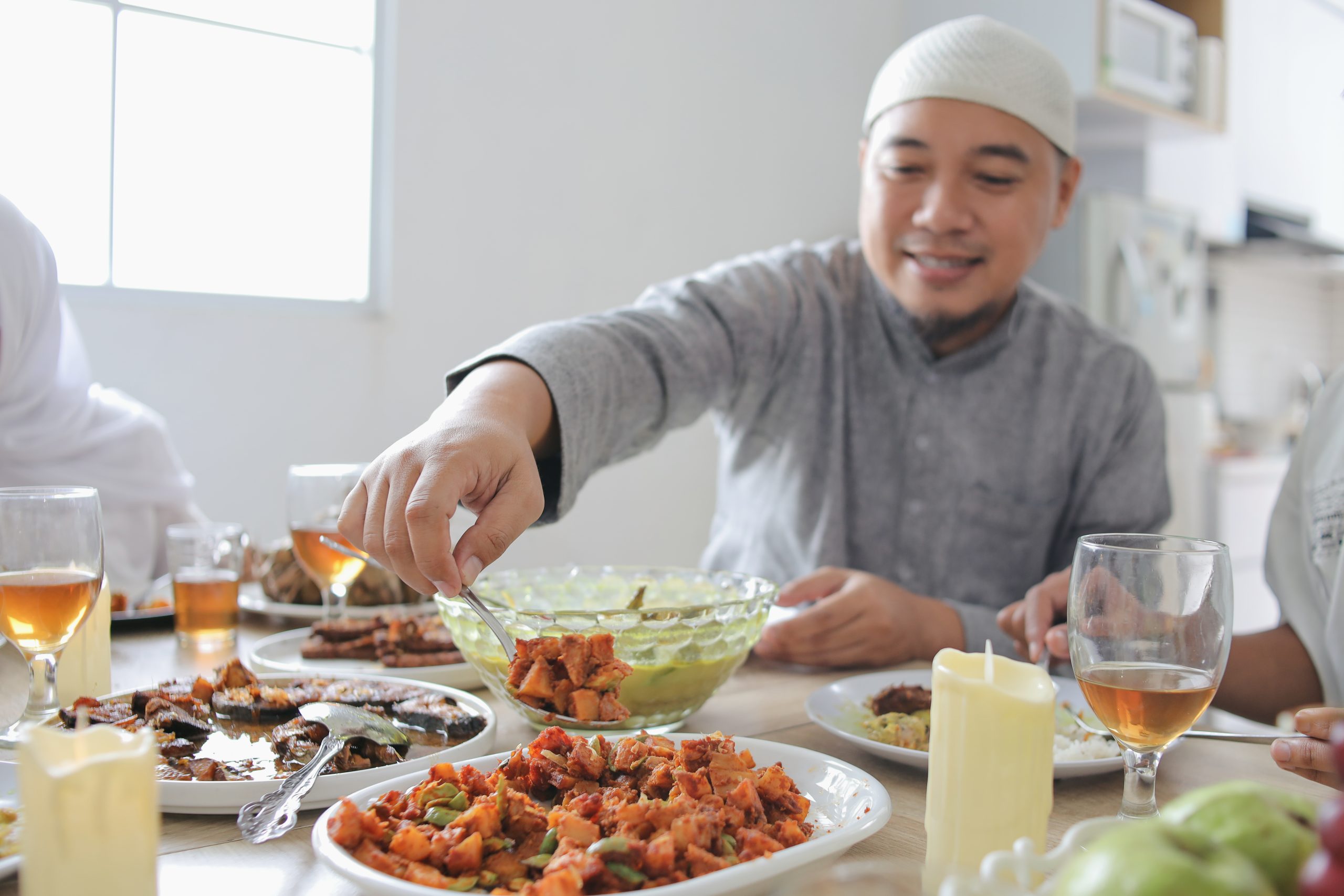
This is especially important at weddings, religious events, mosque gatherings, and community functions. Guests often assume that catered food at such events will be fully Zabiha. Any mismatch between expectation and reality can affect trust and reputation.
Common Industry Confusion
One of the biggest issues in the catering industry is unclear labeling. Some caterers advertise halal services but source meat from suppliers who do not follow Zabiha standards. Others may use halal-certified meat that allows mechanical slaughter or pre-stunning without proper religious oversight.
Without clear communication, clients may believe they are receiving Zabiha catering when they are not. This confusion makes it essential for hosts to ask detailed questions rather than relying on general halal claims.
Zabiha vs Halal in Modern Events
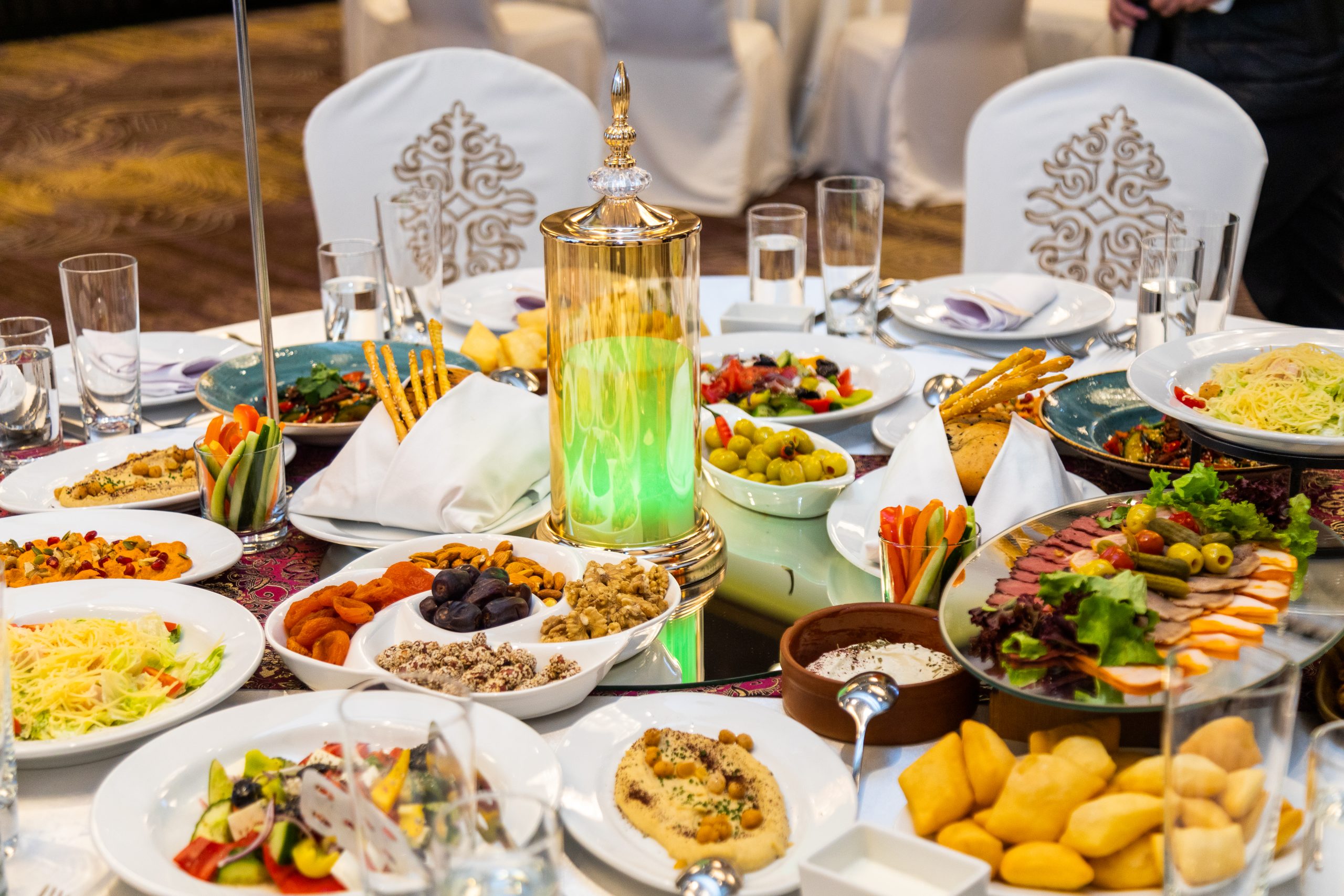
In modern, multicultural events, halal catering is often offered as a general dietary option. However, for Muslim-majority events or religious celebrations, Zabiha catering is usually the preferred and safer choice.
Zabiha catering provides reassurance. It removes doubt, accommodates stricter dietary needs, and ensures that all Muslim guests can eat comfortably. For this reason, many professional caterers now clearly state whether they offer halal-only or full Zabiha catering.
How to Choose the Right Option
Choosing between halal and Zabiha catering depends on your guest list and event type. If your event includes Muslim guests who follow strict dietary practices, Zabiha catering is the responsible choice. It ensures inclusivity and avoids unnecessary discomfort.
When in doubt, selecting Zabiha catering covers all expectations. It aligns with both halal requirements and stricter religious standards, making it suitable for a wider audience.
Final Thoughts
While all Zabiha meat is halal, not all halal meat is Zabiha. This distinction is crucial in catering. Understanding the real difference helps event hosts make informed decisions and protects the trust of their guests. By choosing the right catering option, you create an environment of respect, transparency, and care—values that matter in every successful event.