

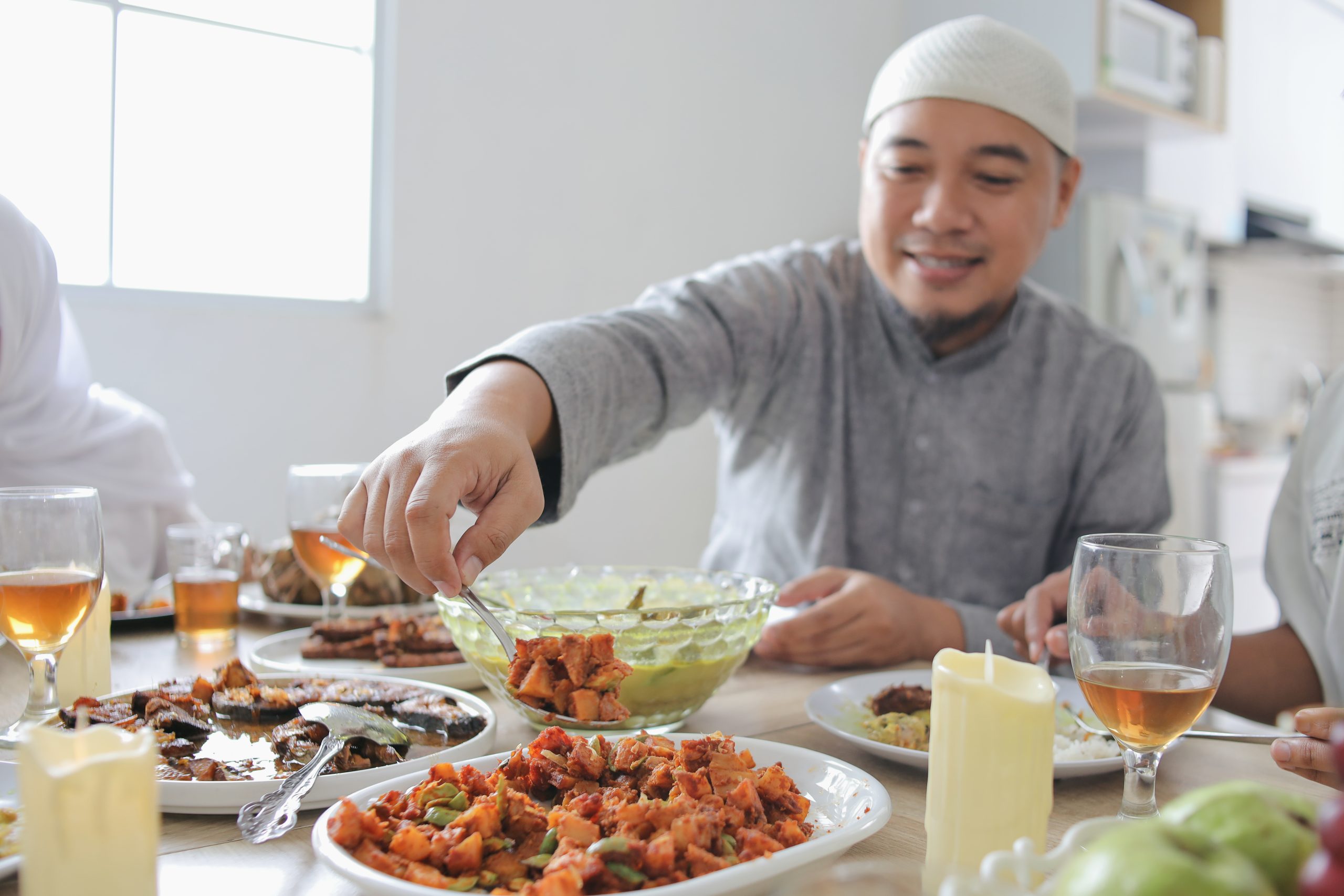

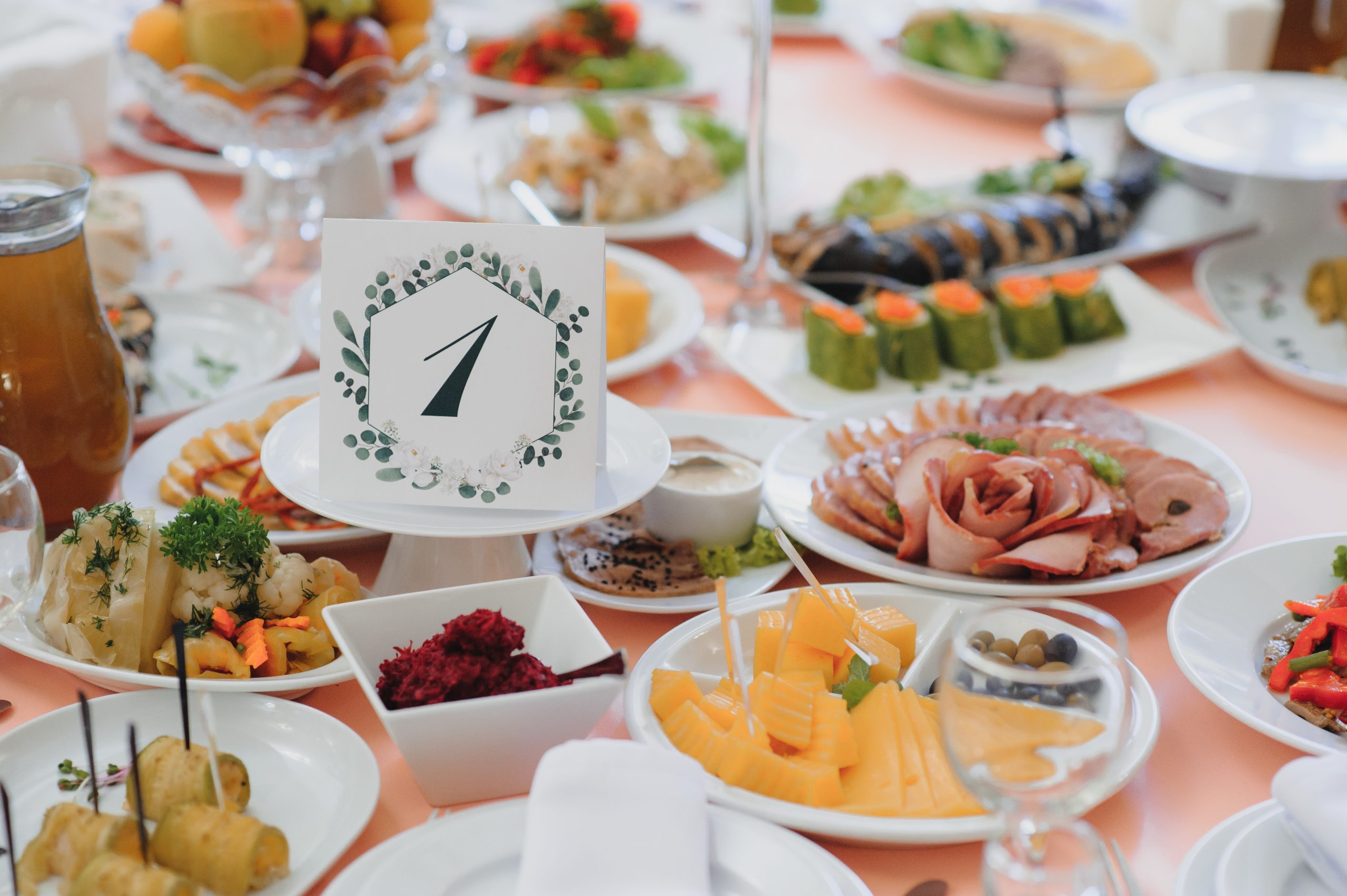
When hiring a caterer for weddings, corporate events, or private gatherings, ensuring that the meat served is genuinely Zabiha is crucial. Guests rely on faith-compliant standards, and hosts must verify that the caterer follows proper procedures. Here’s how to check if a caterer is truly Zabiha.
Verify Certification and Supplier Sources
-
Check if the caterer sources meat from certified Zabiha suppliers or farms
-
Ask for documentation of Zabiha compliance and halal certification
-
Ensure that the supplier follows ethical and humane slaughter practices
Inspect Handling and Preparation Practices
-
Confirm that Zabiha meat is handled separately from non-Zabiha items
-
Ask about storage temperatures, equipment sanitation, and hygiene practices
-
Observe preparation areas or request photos/videos of the kitchen setup
Ask About Slaughter Methods
-
Inquire whether the meat is slaughtered according to traditional Zabiha procedures
-
Ensure the slaughter includes proper intention (niyyah) and invocation (Bismillah)
-
Check that blood drainage and hygiene standards are strictly followed
Evaluate Transparency and Accountability
-
A reputable caterer should openly answer questions about sourcing, handling, and certification
-
Look for reviews or testimonials from previous clients regarding Zabiha compliance
-
Request labels on packaged or buffet items to clearly distinguish Zabiha meat
Check for Staff Training
-
Caterer staff should be trained in Zabiha handling procedures
-
Proper training ensures that faith-compliant standards are maintained during cooking, serving, and storage
Conclusion
Ensuring a caterer is truly Zabiha requires careful verification of certification, sourcing, handling practices, and staff training. By asking the right questions and evaluating transparency, hosts can confidently serve faith-compliant, high-quality Zabiha meals that meet both ethical and culinary standards.