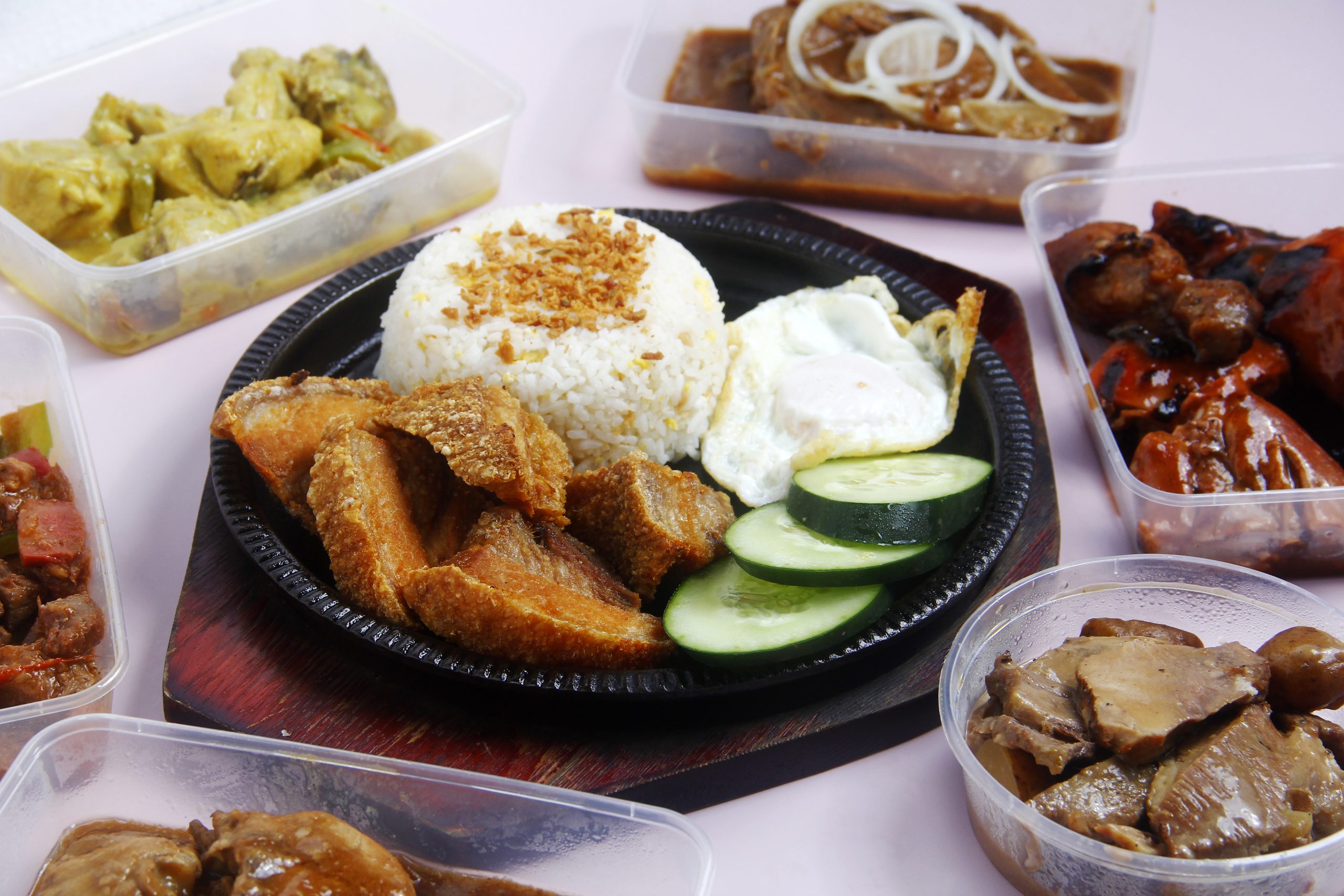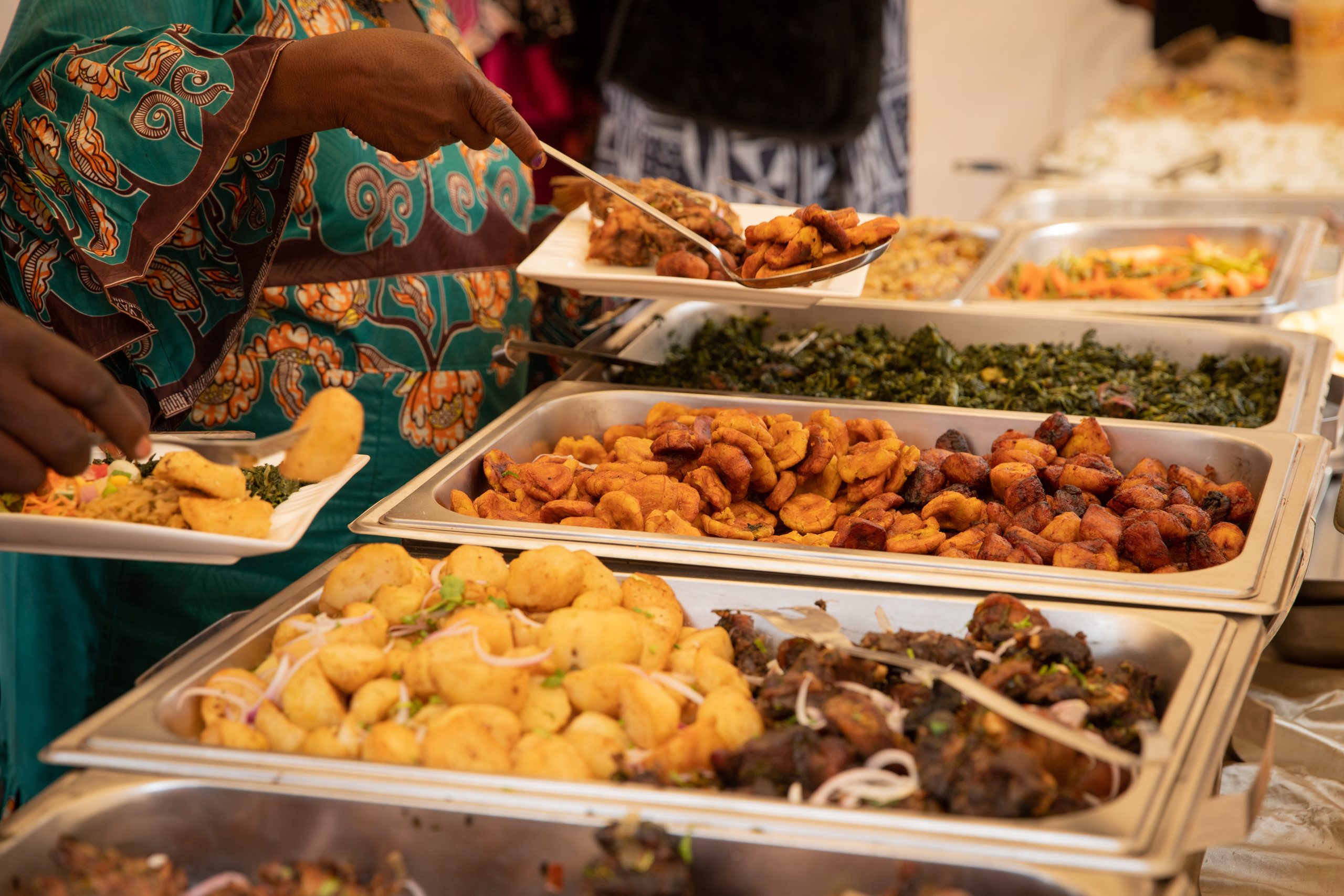


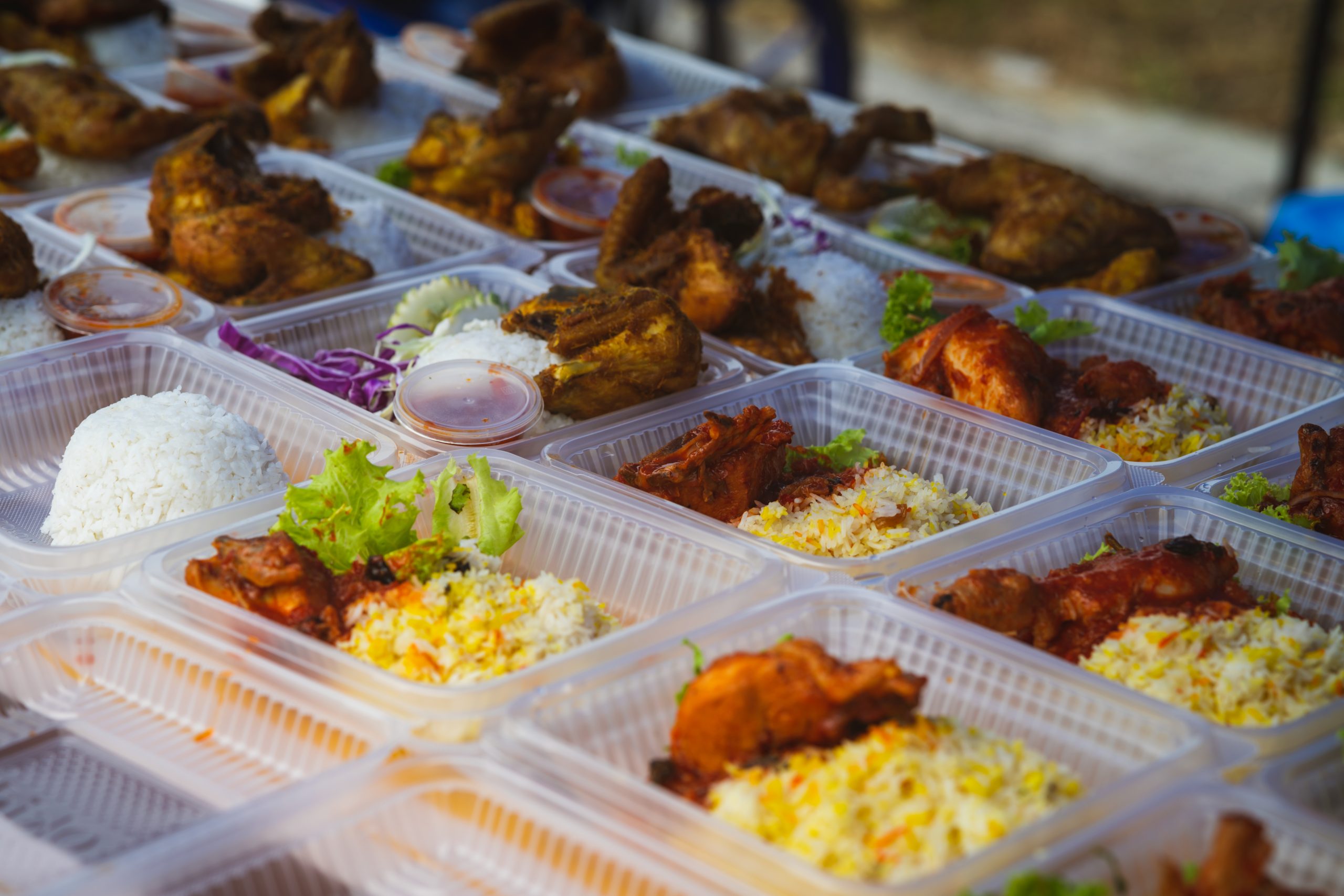

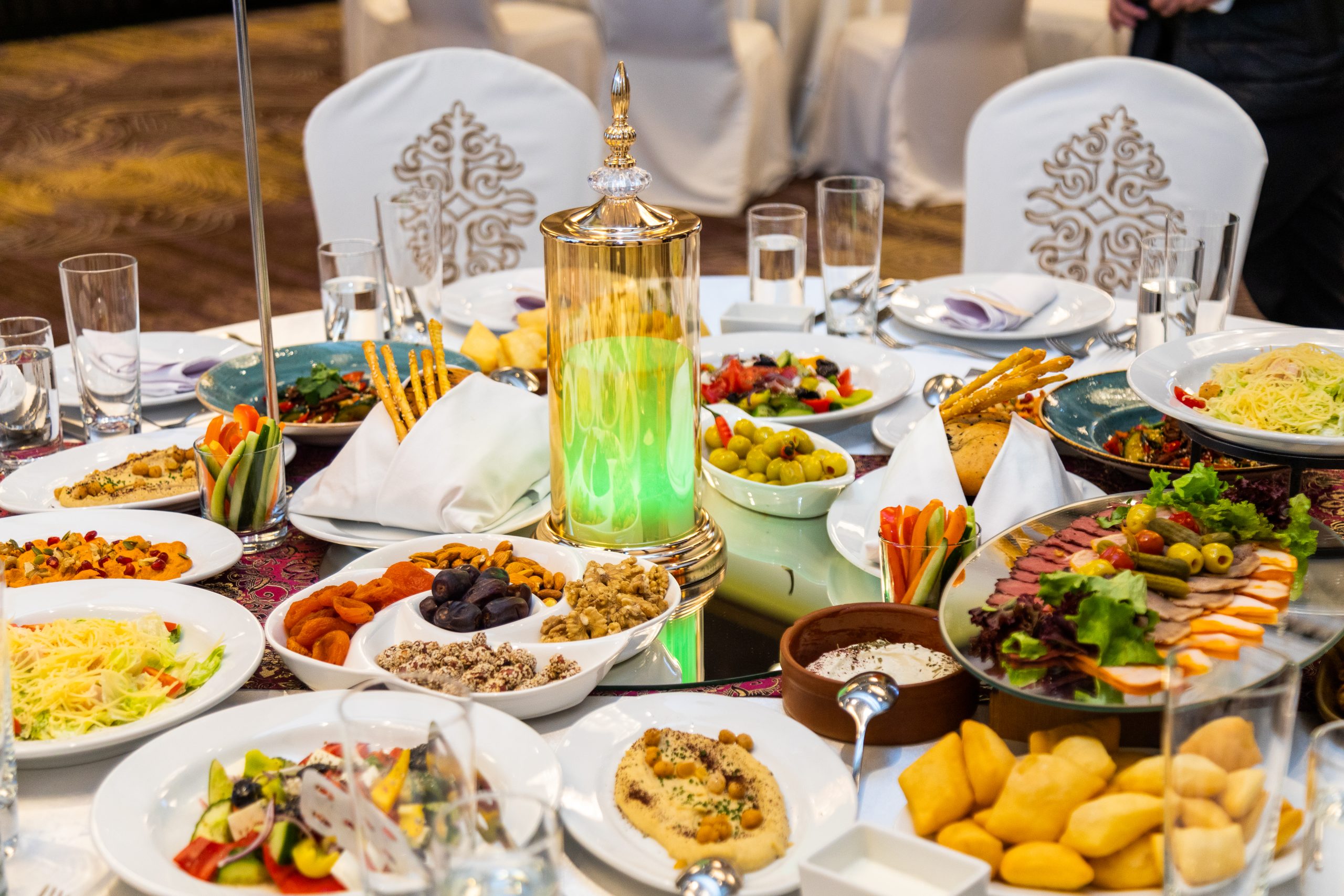


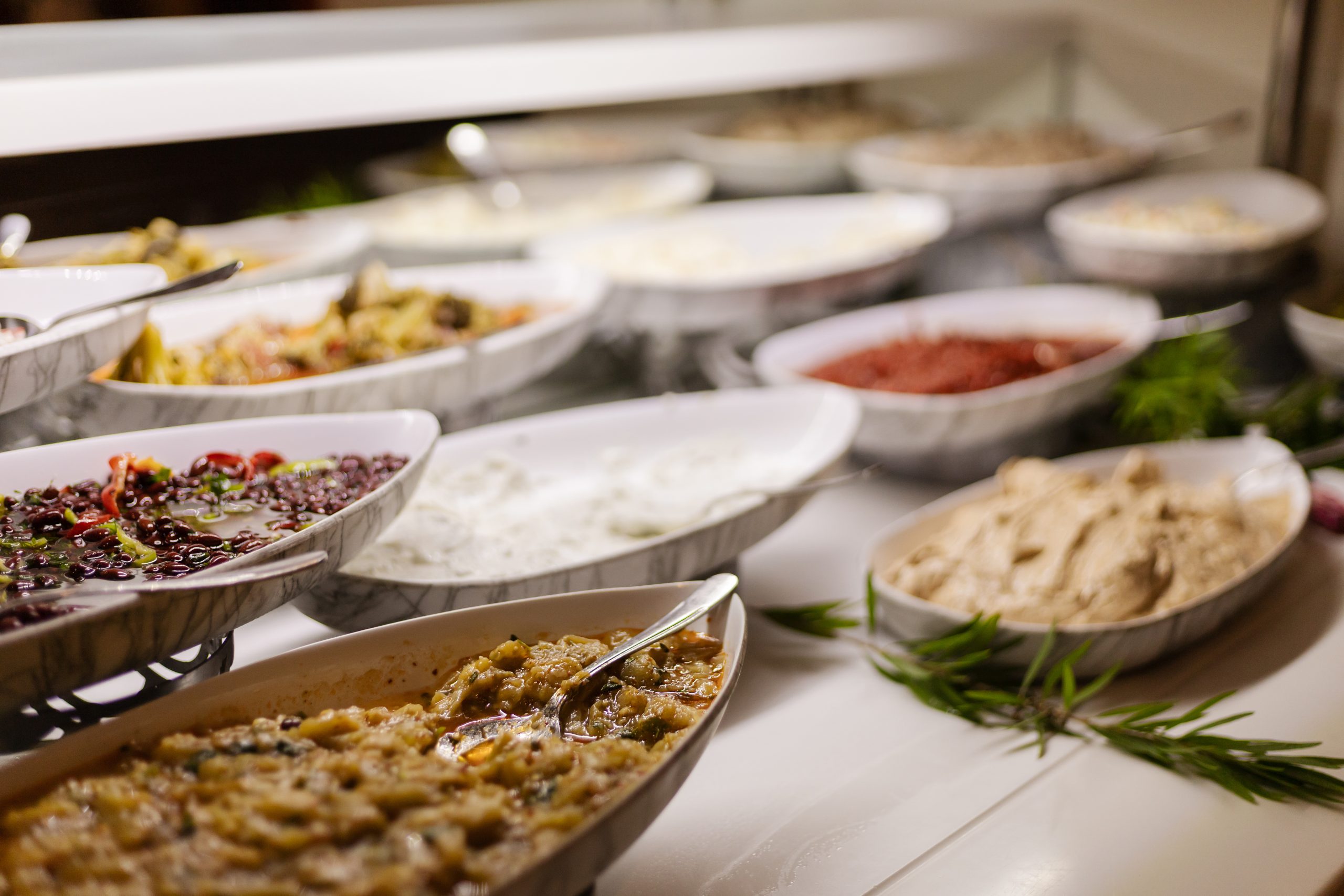
A well-balanced Zabiha buffet menu ensures that guests enjoy variety, flavor, and satisfaction while maintaining faith-based dietary standards. Whether the event is a wedding, corporate gathering, or community function, thoughtful menu planning helps prevent overcrowding, food waste, and guest dissatisfaction.
Include a Variety of Proteins
Protein is the centerpiece of any Zabiha buffet. Offer at least two to three Zabiha meat options, such as chicken, beef, or lamb. Balance grilled items with saucy dishes to provide contrast in texture and flavor. This approach caters to different preferences and enhances overall appeal.
Balance Spicy and Mild Dishes
Not all guests enjoy spicy food. A balanced Zabiha buffet should include both mild and flavorful options. Labeling dishes clearly helps guests choose according to their taste and comfort level.
Add Vegetarian and Lighter Options
A complete buffet includes more than meat dishes. Vegetarian options such as daal, mixed vegetables, chickpea curry, or salads add balance and inclusivity. These dishes also help lighten the meal and accommodate dietary restrictions.
Pair Rice, Bread, and Sides Properly
Rice dishes like biryani or pulao should be paired with curries or grilled meats. Include bread options such as naan, roti, or pita to complement gravies. Fresh sides like raita, salads, and chutneys enhance flavor and digestion.
Control Portion Sizes
Large buffets can lead to waste if portions are not managed properly. Use appropriately sized serving utensils and chafing dishes. Refill stations gradually rather than placing all food out at once.
Plan Buffet Layout Carefully
Organize the buffet line logically, starting with plates, followed by starters, mains, sides, and desserts. Multiple serving lines reduce congestion and improve guest flow.
Maintain Zabiha Compliance
Ensure all meats are certified Zabiha and handled separately from non-Zabiha items. Clear labeling and trained staff help maintain trust and compliance throughout the event.
Conclusion
Creating a balanced Zabiha buffet menu involves thoughtful selection of proteins, sides, and serving styles. By offering variety, accommodating different tastes, and maintaining proper organization, hosts can deliver a buffet experience that is enjoyable, efficient, and faith-compliant for all guests.