


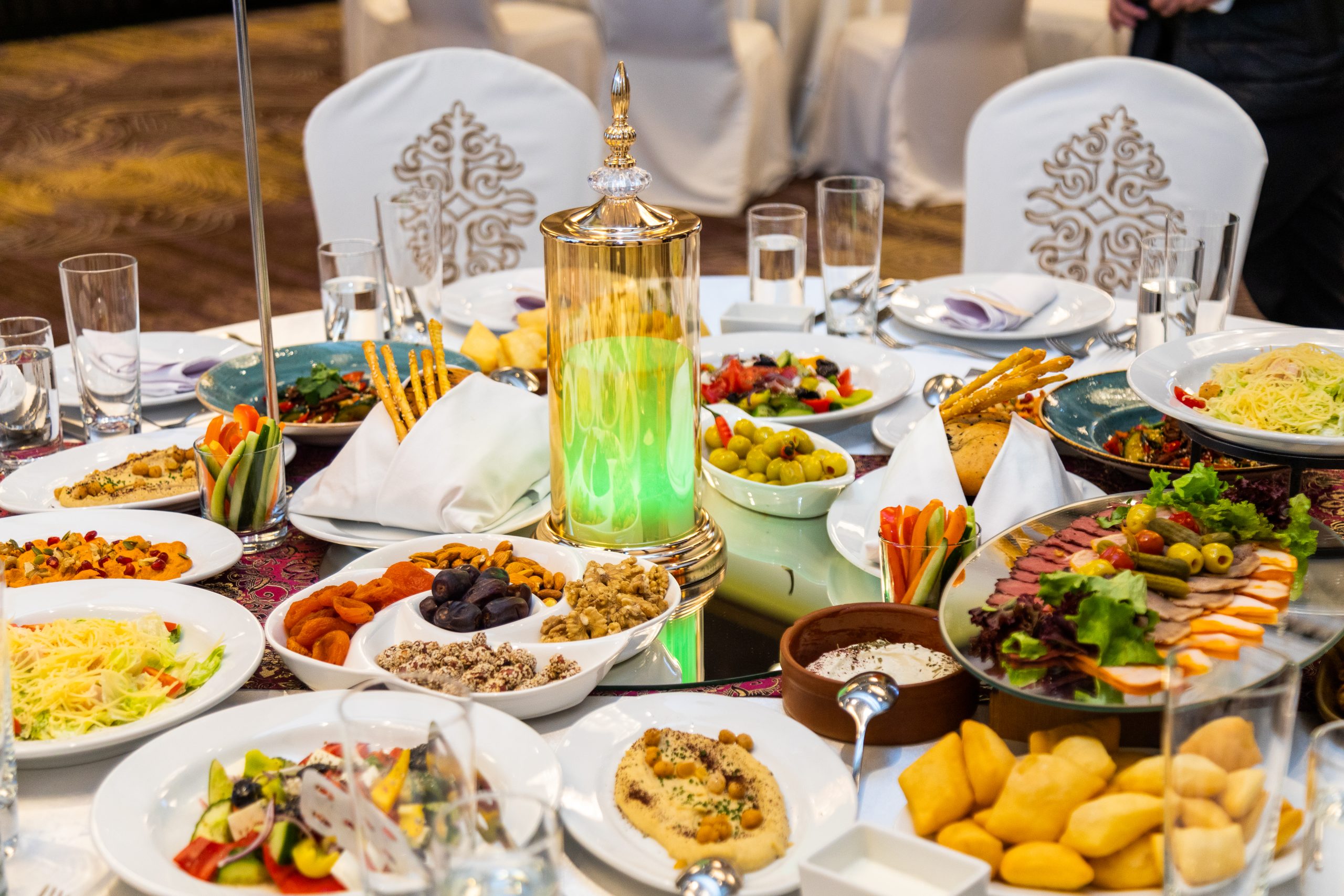
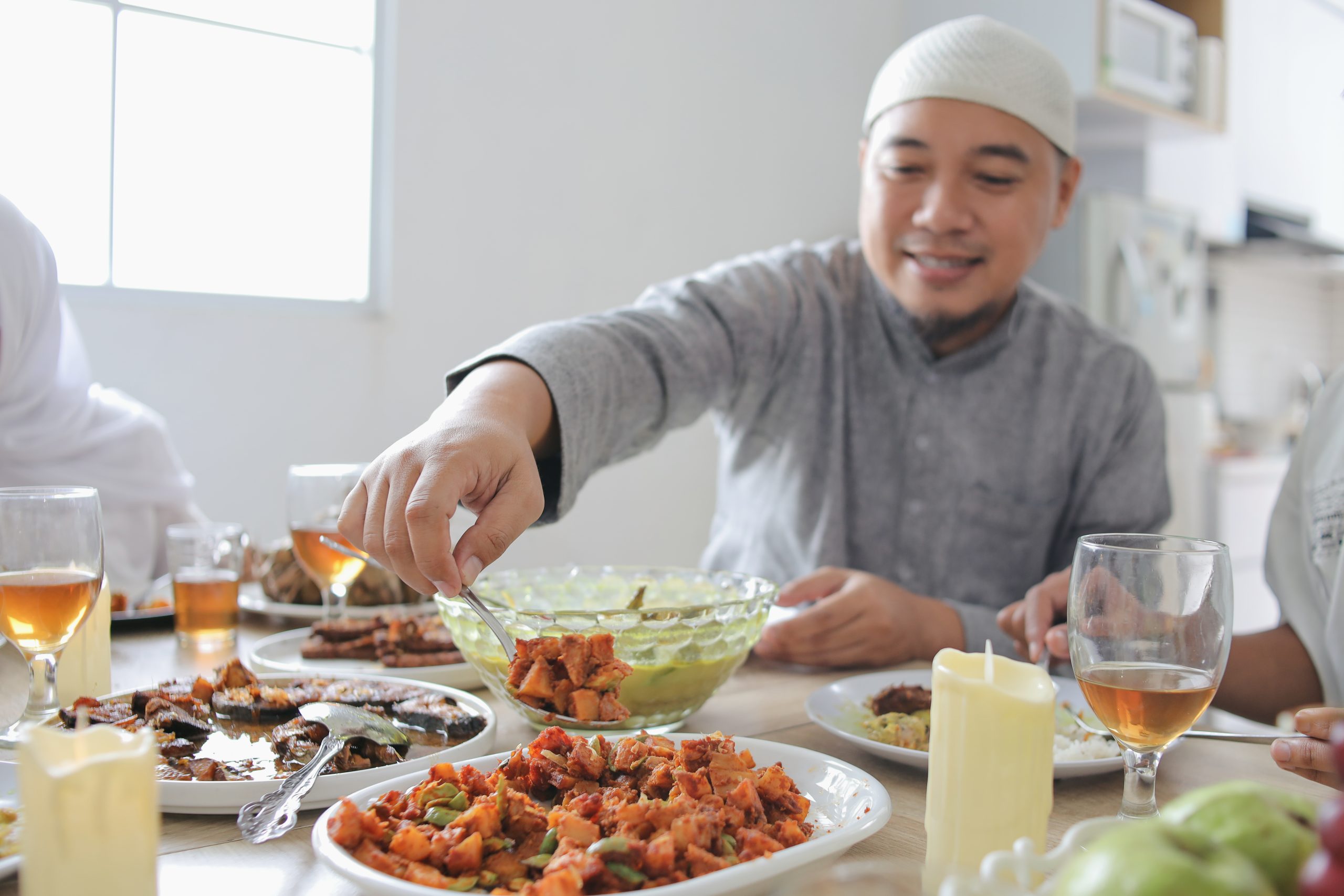

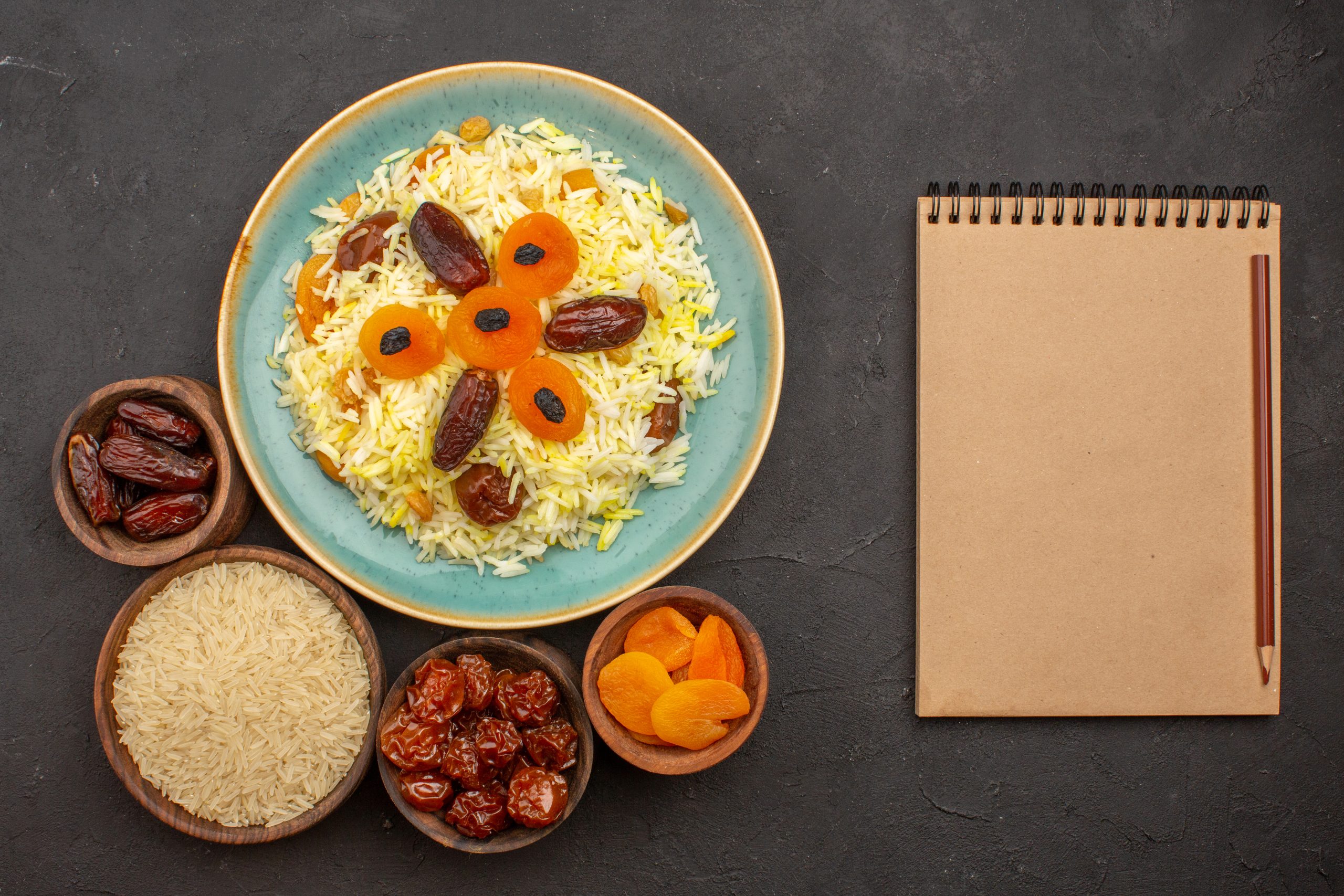
Office events require catering that is professional, convenient, and inclusive. Whether it is a business meeting, training session, team lunch, or corporate celebration, a well-planned Zabiha menu ensures all employees and guests can dine comfortably while maintaining high workplace standards.
Understand the Office Event Format
The first step in planning a professional Zabiha office menu is understanding the event type. Board meetings and executive lunches often require plated or boxed meals, while team lunches and office celebrations work well with buffet-style service. Matching the menu to the event format keeps the dining experience smooth and professional.
Choose Simple Yet High-Quality Dishes
Office catering should focus on dishes that are easy to serve and eat. Popular Zabiha options for offices include grilled chicken, kebabs, rice bowls, wraps, and light curries. These dishes are flavorful without being overly heavy, making them suitable for a work environment.
Avoid overly spicy or messy items that may disrupt productivity or comfort.
Balance Meat, Vegetarian, and Light Options
A professional office menu should offer variety. Alongside Zabiha meat dishes, include vegetarian and lighter options such as salads, roasted vegetables, lentils, or mezze platters. This ensures inclusivity for all dietary preferences and keeps the menu balanced.
Focus on Presentation and Packaging
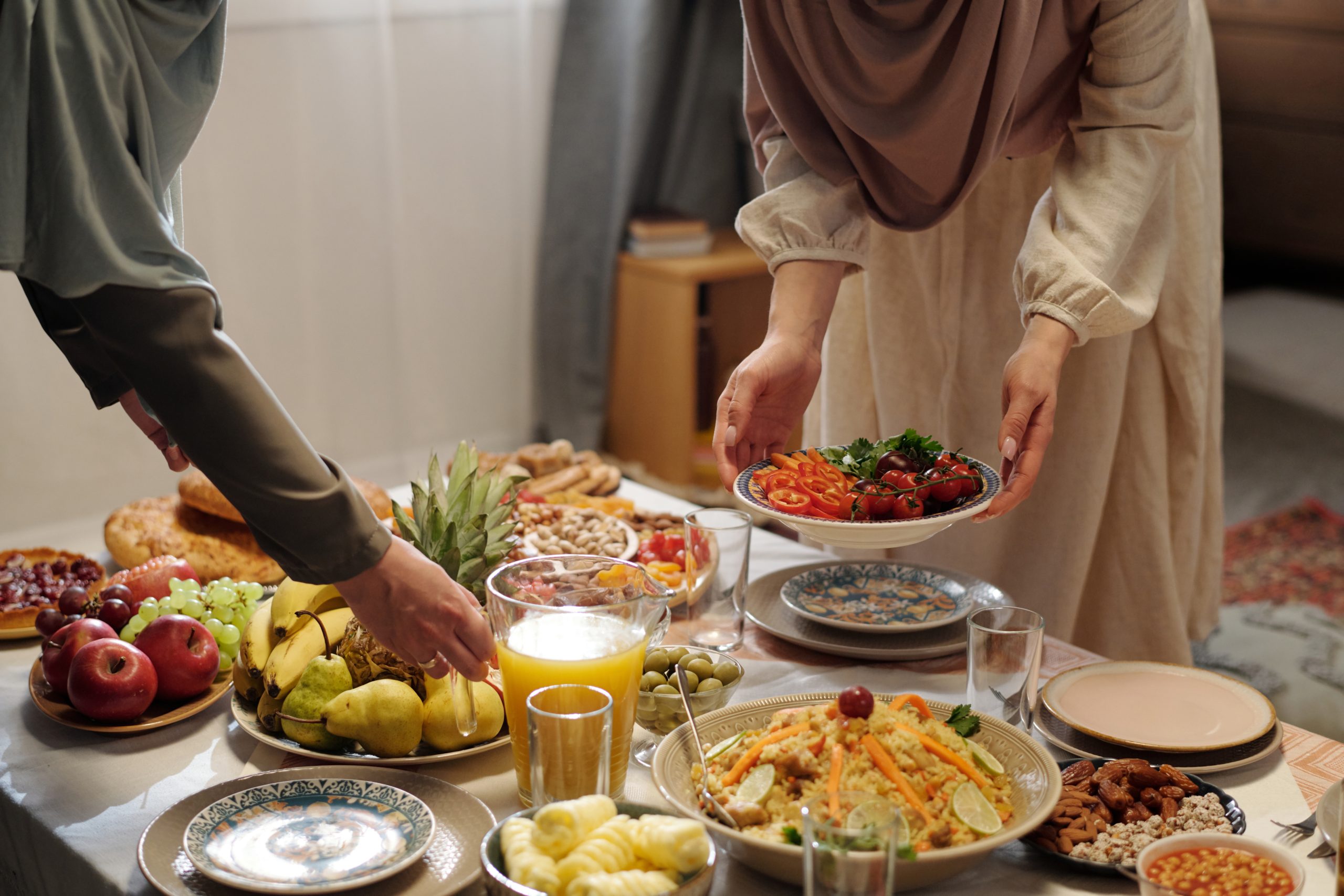
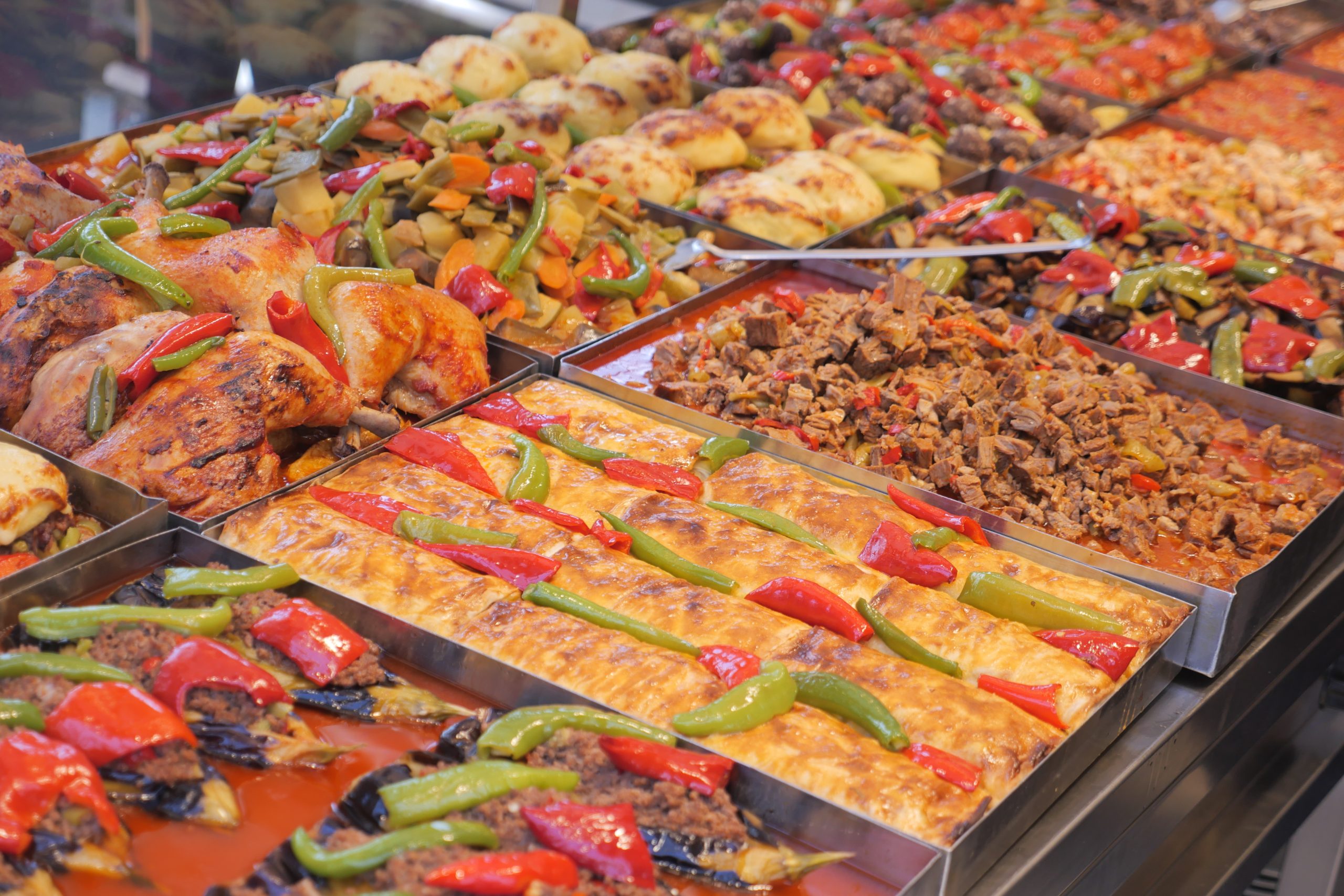
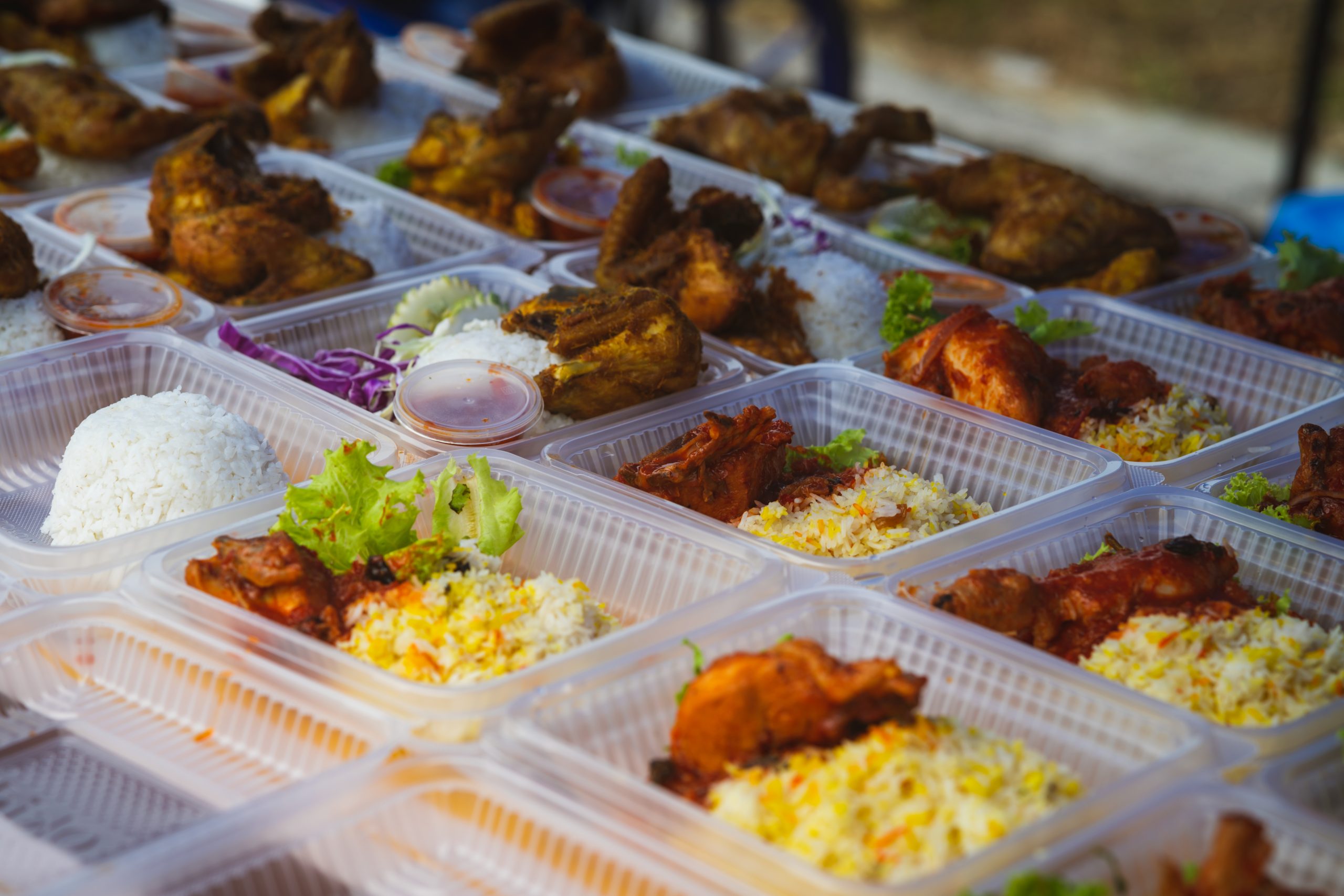
Presentation matters in a corporate setting. Neatly arranged buffet trays, individually packaged meals, or clean, modern serving ware enhance the professional feel of the event. For boxed meals, proper labeling helps guests easily identify Zabiha and vegetarian options.
Ensure Timely and Organized Service
Office schedules are often tight, so punctuality is essential. Coordinate closely with the caterer to ensure food arrives on time and is served efficiently. Warm dishes should be kept at proper temperatures, and service areas should remain clean and organized throughout the event.
Maintain Zabiha Compliance
All meats must be certified Zabiha and prepared separately from non-Zabiha food. Clear communication with the caterer about sourcing, preparation, and handling builds trust and reassures Muslim employees and guests.
Conclusion
Planning professional Zabiha menus for offices requires a balance of simplicity, quality, and inclusivity. By choosing easy-to-eat dishes, offering diverse options, focusing on presentation, and ensuring strict Zabiha compliance, companies can create a respectful and polished dining experience that enhances workplace events.