


In the catering industry, trust is everything. Guests place their confidence in event hosts and caterers to serve food that meets their expectations, values, and dietary needs. For Muslim consumers, Zabiha standards are not simply a preference—they are a requirement. Understanding why Zabiha standards matter in catering helps businesses deliver ethical, reliable, and inclusive food services.
Zabiha Standards Build Trust
Zabiha standards provide clarity and reassurance. When guests know that food is prepared according to strict Islamic guidelines, they can eat without hesitation. This trust is especially important at weddings, religious events, and community gatherings where guests expect full compliance.
A caterer who follows Zabiha standards demonstrates honesty and professionalism. Clear sourcing, proper handling, and transparent communication help build long-term relationships with clients and communities.
Religious Responsibility in Food Services
Food plays a significant role in Islamic practice. Consuming permissible food is part of religious observance, and serving non-compliant food—intentionally or unintentionally—can be deeply concerning for guests.
Zabiha standards ensure that caterers respect this responsibility. By following proper slaughter methods and preparation practices, caterers help hosts fulfill their duty toward guests and uphold religious values.
Ethical Treatment and Animal Welfare
One of the key reasons Zabiha standards matter is their emphasis on ethical treatment. The Islamic slaughter method requires a swift and humane process that minimizes suffering. The focus on animal welfare aligns with modern ethical food movements and growing consumer awareness.
Many clients, including non-Muslims, appreciate catering services that prioritize ethical sourcing and humane practices. Zabiha standards address these concerns while remaining faith-compliant.
Hygiene and Food Safety
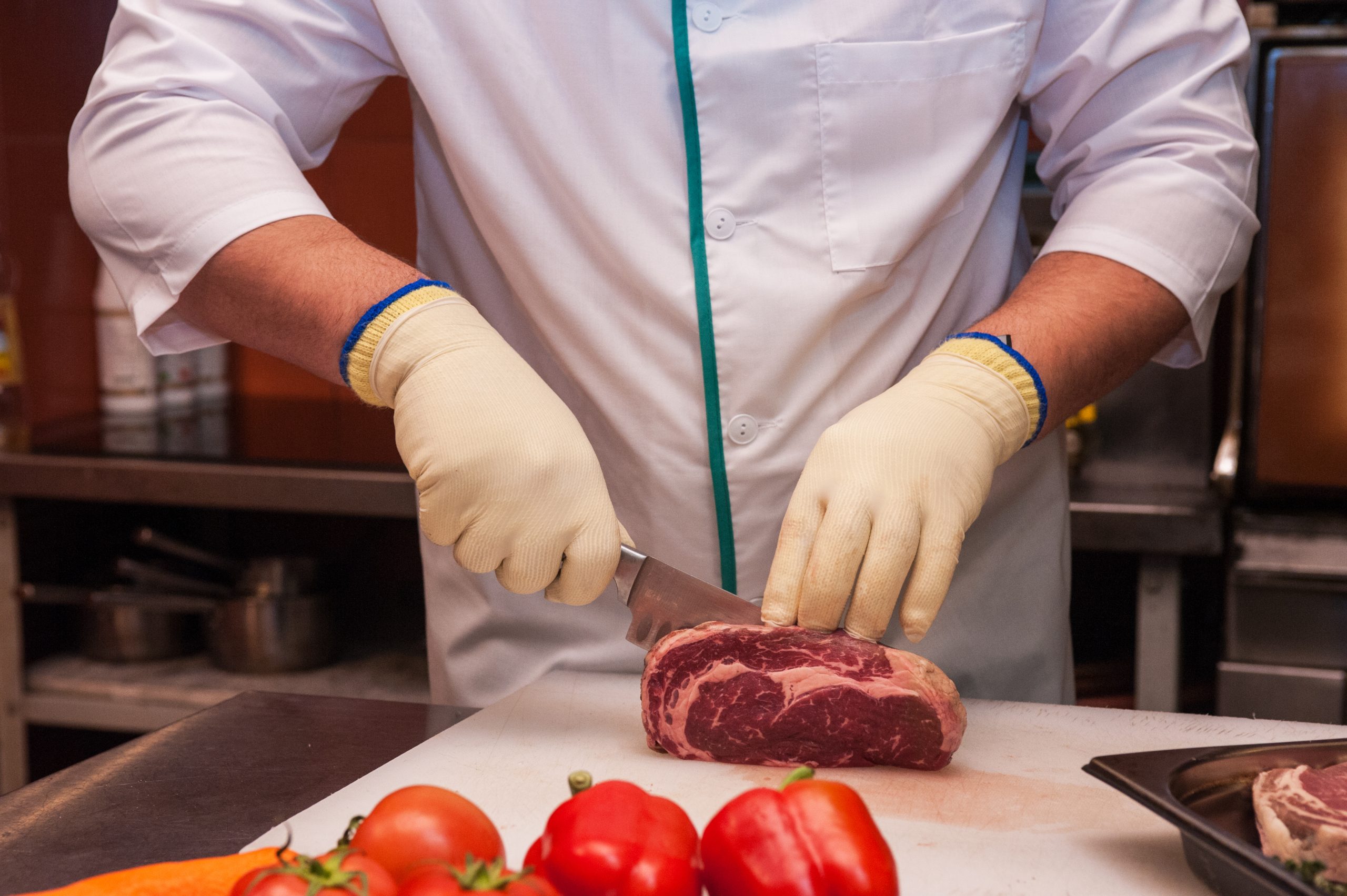
Zabiha catering places strong emphasis on cleanliness and hygiene. Complete blood drainage, proper storage, and careful preparation contribute to safer food handling. These practices align closely with professional food safety standards.
Caterers who follow Zabiha guidelines often maintain strict kitchen protocols, reducing the risk of contamination and improving overall food quality.
Catering for Diverse Audiences
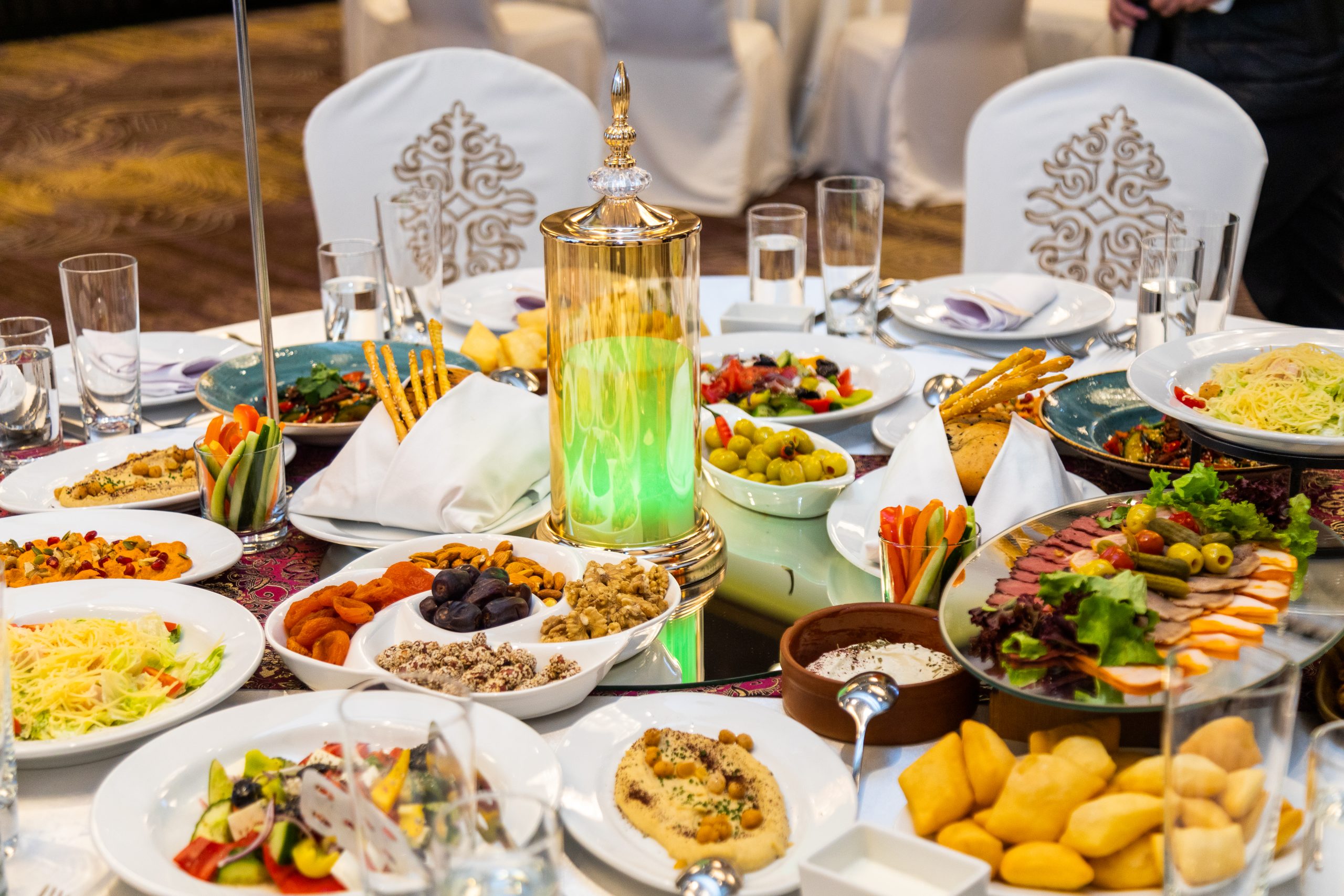
Modern events often include guests from different backgrounds. Zabiha catering helps ensure inclusivity by meeting the needs of Muslim guests without excluding others. Since Zabiha food is suitable for everyone, it becomes a practical solution for mixed gatherings.
Providing Zabiha catering shows cultural awareness and respect—qualities that reflect positively on both the host and the catering brand.
Protecting Reputation and Credibility
Failing to meet Zabiha standards can damage a caterer’s reputation. In close-knit communities, trust is quickly lost when claims do not match practices. On the other hand, consistently delivering authentic Zabiha catering strengthens credibility and brand loyalty.
Professional caterers understand that maintaining Zabiha standards is not only a religious duty but also a business advantage.
Conclusion
Zabiha standards matter because they combine faith, ethics, hygiene, and trust. In catering, where food represents hospitality and respect, following Zabiha guidelines ensures that guests feel valued and comfortable. For any event that serves Muslim guests, Zabiha standards are not optional—they are essential.